
In each country, you can come across unique habits, traditions, places, and events that do not exist anywhere else in the world. There are several similar things in Bulgaria. In this article, you will find 10 strange and atypical things that you can do and see (only) in Bulgaria.
‘Hello! Nice to kiss you’
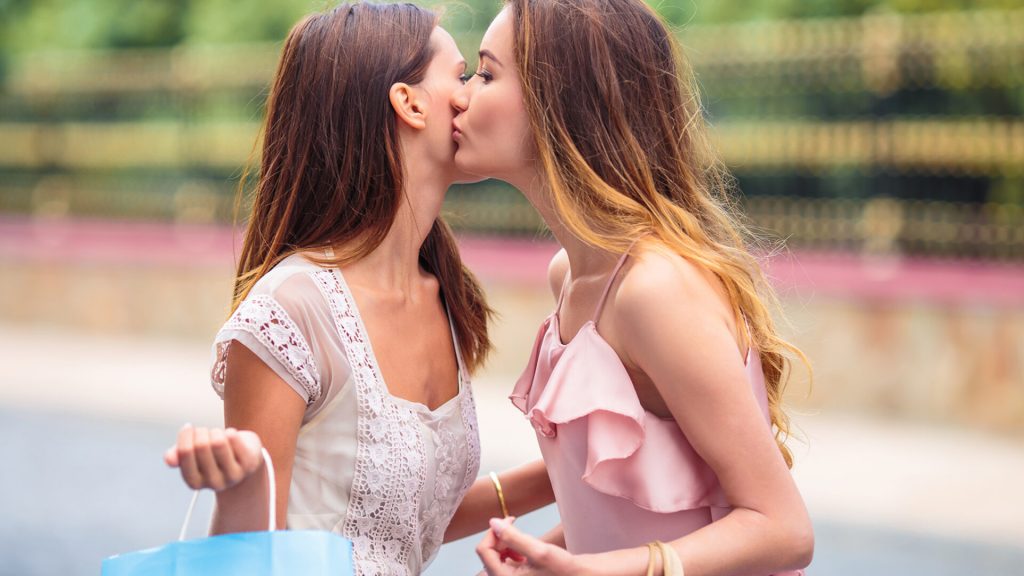
When you have a happy holiday occasion or just met an old friend, what is the first thing you do Hug? Did you shake hands? In Bulgaria, people kiss on the cheeks. Both of them! Not just on the left, not just on the right.
It is also good to know that light kisses on the cheeks are a more hygienic greeting than a handshake. The safest kiss is a light touch on the cheek
Here are two valuable tips to master this type of greeting:
- Right cheek first – the label requires you to kiss the person first on the right cheek. If you accidentally hit your lips instead of your cheek, get out of the awkward position with humor and a friendly apology.
- Cheek to cheek – unless you know the person, you should know that the “social” kiss is actually a light touch on the cheeks.
Chase away evil spirits with dancing monsters
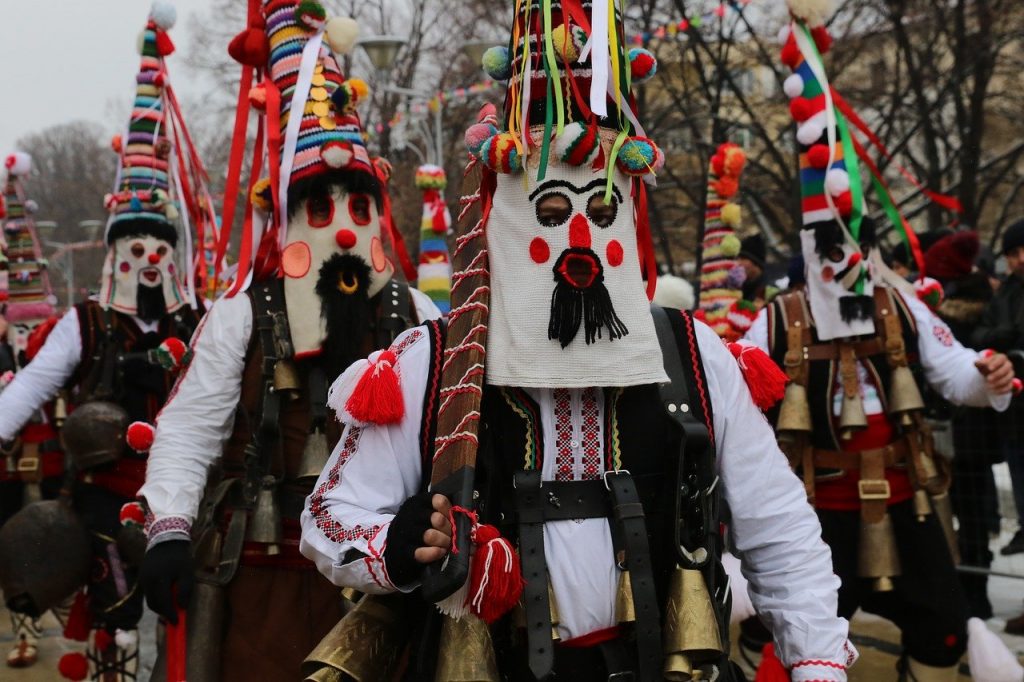
Every year between January and mid-March in different towns and villages in Bulgaria is held an unusual tradition. The squares are announced by the metallic voice of heavy vats.
This is Kukerovden, celebrated on Sirni Zagovezni. This ancient custom is recognized as the oldest manifestation of the Thracian god Dionysus by some Bulgarian folklorists and researchers of Thracian antiquity. Men and boys dress as monsters, perform ritual dances and make noise with heavy bells and vats hanging from their belts, believing that they drive away evil spirits. There are special rituals called Mummer’s Games. They are performed only by men who wear special masks premade by each participant.
Nowadays, it is often presented as an act to bring fertility and health, as an agricultural holiday or as an action to ward off evil.
Enjoy the sound of bagpipes in the mountains
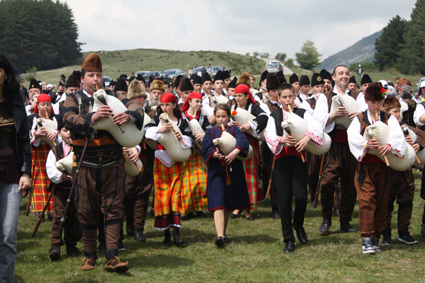
You have the opportunity to listen and play the instrument. There are dozens of such festivals and some of them are:
The first weekend of August is the time to travel to the small mountain village of Gela and join the biggest bagpipe competition in the country. There you will enjoy the beautiful music that sounds on the ridges of the Rhodopes and the wildlife.
The International Folk Costume Festival has been held at the Zheravna Architectural Reserve for over 14 years. There you can always meet many bagpipers who perform on stage for three days. Everyone present is dressed in authentic folk costumes, no matter where in the world they are. Feeding is done with wooden spoons.
Another of the oldest festivals, which preserve the beauty of Bulgarian folklore and has over 100 years of history, is held in the mountain town of Rozhen in August, every four years. In 1961, at this festival, the famous Bulgarian singer Valya Balkanska sang the song “Delio Haidutin has come out”, which today flies in space aboard the American spacecraft “Voyager 1” and “Voyager 2”. The festival is held for two days, and in the evening of the first-day visitors can also hear the singing “Star Rozhen”.
Pirin Sings is another great example of a festival dedicated to the wonderful local music, dance, costumes, arts, and crafts. The organizers describe it as a movement to promote and preserve authentic Bulgarian folklore. Every even year the festival is held in the Predela area. There the surroundings resound with the unique male songs from Bansko, the female songs from the villages of Dolen and Satovcha, and the participants demonstrate Bulgarian costumes, ornaments, customs, etc.
Did you know that Bulgaria holds the Guinness World Record for the largest number of Kaba bagpipes, playing together on one stage? As many as 333 bagpipes! You don’t believe us? See here.
The Square of Religious Tolerance – the middle of four different religions
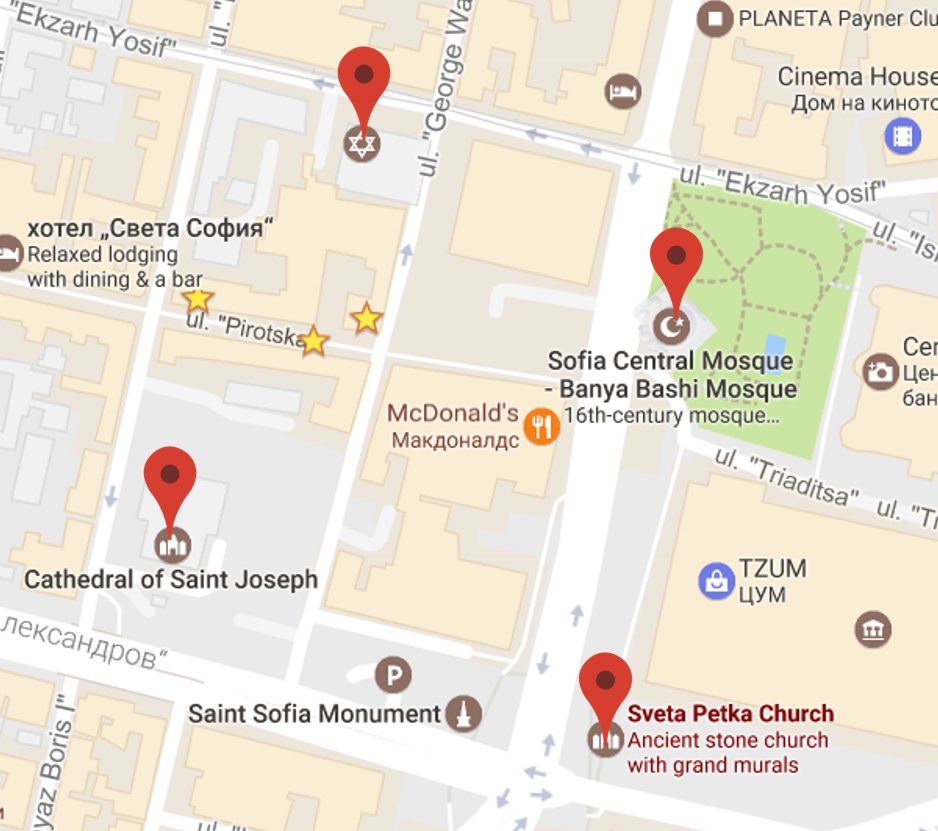
Many people of different religions live in Sofia – Orthodox and Catholics, Muslims, and Jews. One of the greatest proofs of their peaceful coexistence is the so-called “Square of Religious Tolerance.”
It is located in the center of Sofia. There are temples for each of the religions and you can visit them regardless of your religious affiliation.
There is an Orthodox church, a mosque, a Roman Catholic cathedral and a synagogue on the Square of Religious Tolerance:
- Orthodox Christian church “St. Petka Samardzhiyska”. It is a small single-nave medieval building, partially dug into the ground.
- Banya Bashi Mosque. This is the only functioning Muslim temple on the territory of Sofia, preserved to this day.
- The Sofia Synagogue. It is the symbol of Bulgarian Jewry, built in the period 1905-1909. In terms of size, it ranks first on the Balkan Peninsula and third in Europe.
- St. Joseph’s Catholic Cathedral is the largest Catholic church in Bulgaria.
Magic embers dances
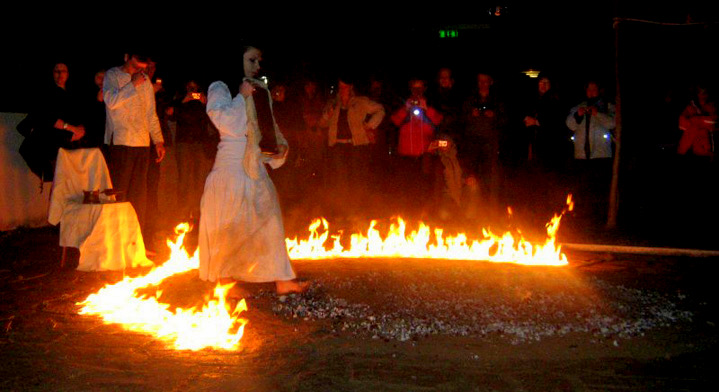
Nestinarstvo is a centuries-old tradition that has been preserved in a small village in Strandzha Mountain – Bulgaria. Every year on June 3 firefighters dance on the smoldering embers with the icon of St. Constantine and St. Helena in their hands.
The dance with bare feet on embers is a custom performed by certain communities, whose patrons are St. St. Constantine and Helena. Although Nestinarstvo is associated with year-round ritual practices, its peak is on June 3 (old style), when the feast of the two saints.
The ritual is also one of the most ancient pagan customs in the Balkans. It has fought the persecution of both Christianity and communism to continue for millennia.
The Nestinari say that one cannot learn to dance on coals unless one is born to be a Nestinar. You have to believe that God will protect you, you have to be very good and not wish anyone bad. Then you will not feel the heat.
The performance begins at sunset. Then the chief Nestinar, a man wearing a white shirt and a red belt across his waist, scattered the coals in a circle on the square of the village of Bulgari.
Nestinari dance around the circle with icons in their hands, suddenly entering the fire. Sometimes their feet barely touch the ground, other times they press the coals with hard circular motions as they go out. Their faces are pale and their eyes are closed. Dancers say they fall into a state of spiritual trance during the dances and are believed to be able to predict the future.
Wake up before dawn to pick roses

In Bulgaria, there is a place called the Valley of Roses, where the local rose variety Rosa Damascena is grown. This rose is used for rose oil, from which some of the best French perfumes and cosmetics are created.
The picking season is in June and even tourists can join the process. It is important to know, however, that roses need to be picked at dawn to retain their essential oils, so you will need to get up early.
You will eat a lot of candy on holidays and birthdays
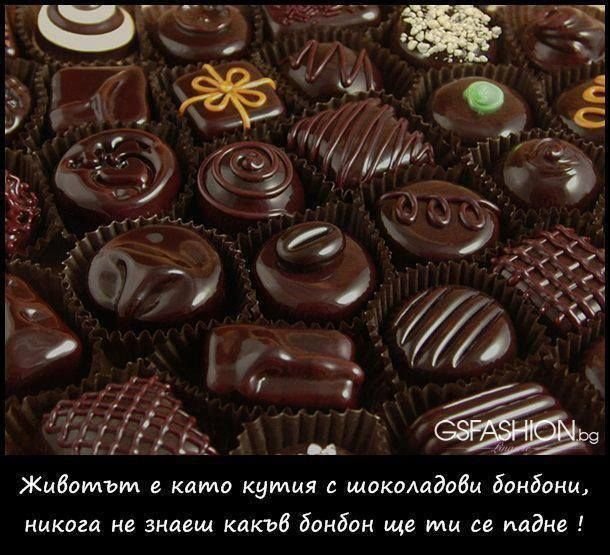
In every country, people are used to eating certain dishes. Part of the Bulgarian tradition and culture are the candies that we eat when our guests come when we have an occasion or a holiday. In Bulgaria, people will most often treat you on the occasion of:
- Birthday
- Name Day
- Ball
- Wedding
- Holiday
These are a lot of occasions, aren’t they? Bulgarians often choose chocolate bonbons, although sometimes there are exceptions. Another thing that may surprise you is that here it is customary for the birthday person to treat his/her guests for the holiday, while in many countries around the world it is just the opposite. The party and the treat are arranged by the birthday boy or girl, and everyone else is just a guest.
Chocolates are an integral part of the home buffet. When we have guests, we usually make coffee and eat candy. Are you like that?
Celebrate July Morning
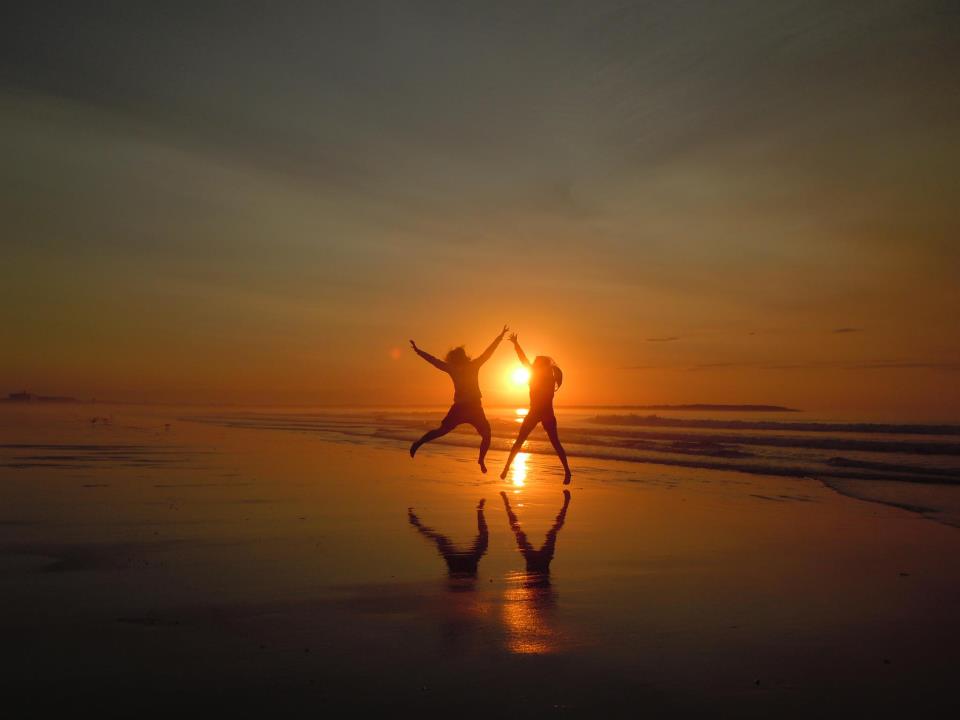
Another special Bulgarian tradition is to celebrate the sunrise on the first of July, usually at sea. His name is July Morning.
This tradition is associated with the hippie movement. It originated as a hippie holiday in Varna in 1980, later the celebration moved to the village of Varvara. It is currently celebrated regularly in the easternmost coast – the rocks near the village of Kamen Bryag, where the sun first shines on Bulgaria.
The symbolic meeting of the sunrise is conceived as a meeting of a new beginning and expectation of a better future.
The name of the holiday is associated with the song of Uriah Heep from 1971 – ‘July Morning’. The holiday is unique for Bulgaria due to the nature of its origin and is not observed in other countries around the world.
It is said that the tradition originated as a protest against the communist government. After the fall of the communist regime in the country, the holiday continues to exist up to these days.
Stay on an island that appears in different places every year
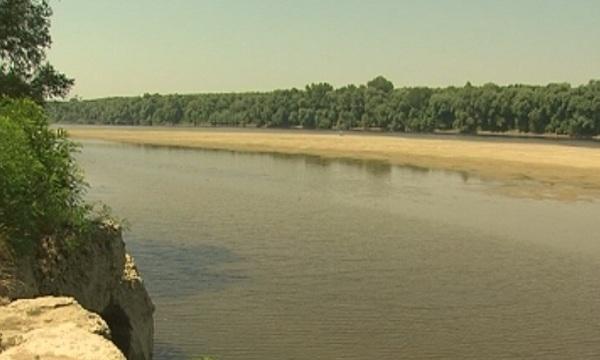
On the Bulgarian part of the Danube, there are small islands that appear in a different place every summer. The reason is that they are formed by river sediments. Although slowly, the river is constantly modeling their banks and changing them. Therefore, the islands are volatile, changing their area and configuration.
Klek shops and underground shops
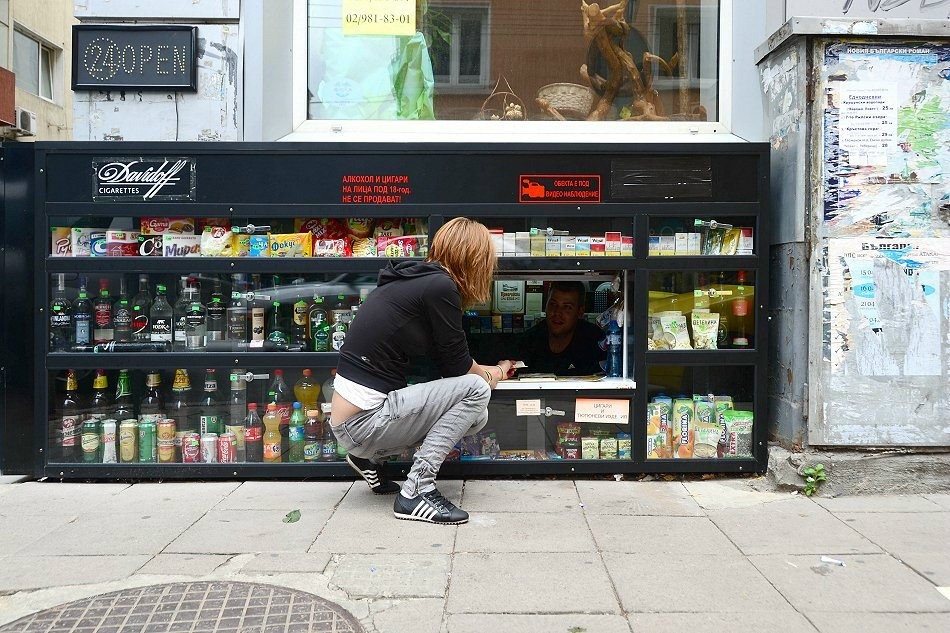
Have you ever imagined seeing a salesman’s face protruding from the ground somewhere at the level of your ankles? In Sofia, this is not something unusual.
Squat shops are located underground. A little above the sidewalk there is a window through which the seller can submit the purchase and return the change.
Most of these stores sell almost everything – from dry wipes to sandwiches. Another similar phenomenon is the underground shops. They are located under the streets and can be reached by ordinary stairs.
There is a similar store in several locations in Bulgaria called ‘Na Tamno’. This is a standard metal shop, and across from it is a tattoo and piercing studio.
Step on someone’s shoes if they are new.
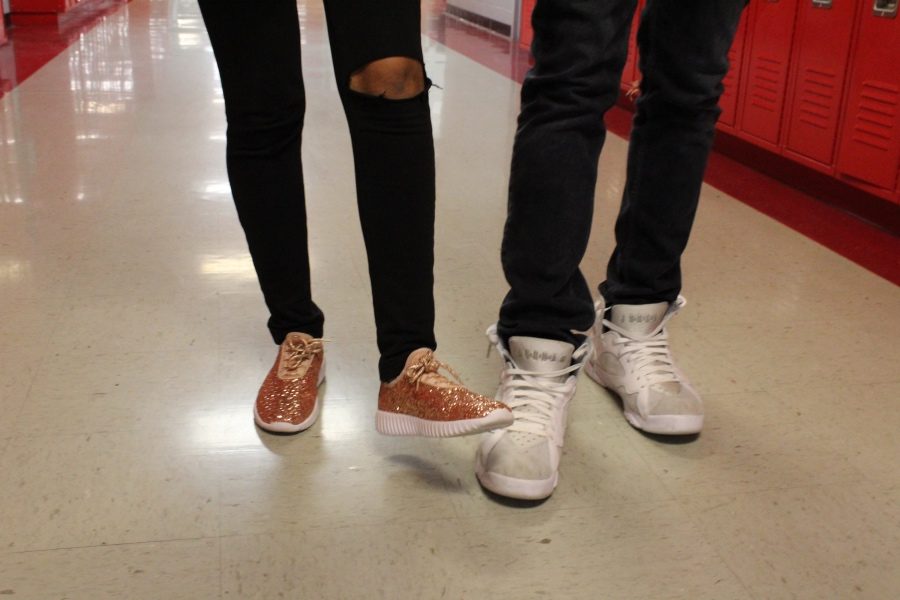
Bulgarians have developed several similar habits:
- Someone’s new shoes for luck and congratulations are coming.
- If someone happens to us by accident, we must also happen to him so that we do not quarrel.
- If someone accidentally steps on you, it is customary to apologize and hand over your shoe so that they can step on you.
Bulgarians just like to greet each other in atypical ways. These habits are more common among younger people, but sometimes adults are no exception. So the next time someone does it to you – be prepared!