Every year on November 1st, Bulgaria celebrates the Day of the National Revival Leaders (sometimes called National Enlighteners Day).
The holiday is celebrated from 1909 when, for the first time in Plovdiv, the society demonstrated respect towards the people of that preserves the Bulgarian spirit
The day is devoted to enlighteners, bookmen and fighters for national liberation who preserved the spiritual values of the nation over the centuries.
The first celebration of the day was announced on November 1, 1923, with the decree of Tsar Boris III.
In 1945, the celebration of the holiday was banned. But it began to commemorate again after a decision of the 36th National Assembly on October 28, 1992. Since then, November 1 has been officially declared a National Enlighteners’ Day and a non-working day for all schools in the country.
Who are the National Enlighteners?
We have prepared a list of some of the most famous, you probably have seen their names in Streets and cities around Bulgaria.
John of Rila,

St. Ivan of Rila wrote his Testament (Zavet). A literary work and a moral message to his successors and to Bulgarian people.
Saint Ivan of Rila lived in isolation in various locations before going to the Rila Mountains. There he spent the rest of his life in prayer and deprived himself of everyday life by settling in the uncomfortable conditions of the caves in the Rila mountains.
According to legend, Saint Ivan of Rila was known to have performed a multitude of miracles in order to help the people. These miracles brought him undesired fame as he tried to live the life of a hermit and avoid contact with others. With his growing number of followers, many young believers and supporters set up camps around his cave, seeking a blessing from him. This led the way to the creation of the Rila Monastery, which is considered to be the foremost monastery in Bulgaria.
He is the patron saint of the Bulgarian people, his dormition is commemorated each year on August 18 and October 19.
Petar Bogdan,
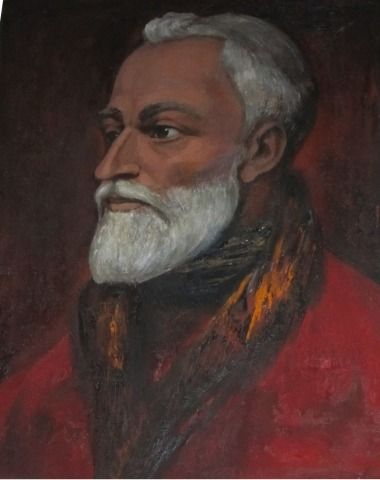
Petar Bogdan (Chiprovtsi, Ottoman Empire, 1601 – 1674) was an archbishop of the Roman Catholic Church in Bulgaria, historian and a key Bulgarian National Revival figure. Petar Bogdan restored the Catholic hierarchy and was one of the organizers of a Bulgarian uprising of the region of Chiprovtsi against the Ottoman rule. He is most famous for being the author of the first Bulgarian history
Paissius of Hilendar,
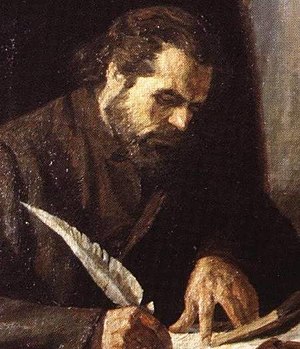
Paìsiy Hilendàrski (1722–1773) was a Bulgarian clergyman and a key Bulgarian National Revival figure. He is most famous for being the author of Istoriya Slavyanobolgarskaya, the second modern Bulgarian history after the work of Petar Bogdan Bakshev from 1667, “History of Bulgaria”. Most Bulgarians are taught that he was the forefather of the Bulgarian National Revival.
Neofit Rilski,

In 1835, Rilski issued his Bolgarska gramatika, the first grammar book of the modern Bulgarian language. His other books include Tablitsi vzaimouchitelni and the 1852 Greek-Slavic dictionary Slovar greko-slavyanskiy.
Neofit Rilski made the first popular translation of the New Testament in modern Bulgarian language.
Rilski considered Old Church Slavonic as synonymous with Old Bulgarian and he tried to unify Western and Eastern Bulgarian dialects.[4]
He died in the Rila Monastery on 4 January 1881.
Miladinov Brothers,
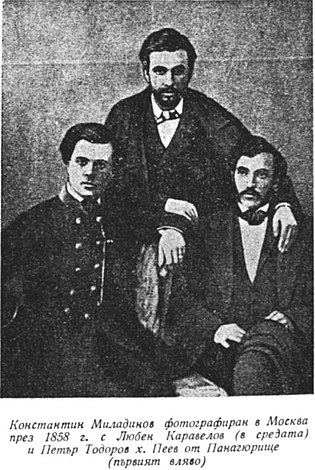
Dimitar Miladinov (1810–1862) and Konstantin Miladinov (1830–1862), were poets, folklorists and activists of the Bulgarian national movement in the region of Macedonia. They are authors of an important collection called Bulgarian Folk Songs, though besides contributing to Bulgarian literature. Miladinov brothers’ collection marked the beginning of the folklore studies in the period of the Bulgarian National Revival
Georgi Sava Rakovski,

Was a 19th-century Bulgarian revolutionary, freemason, writer and an important figure of the Bulgarian National Revival and resistance against Ottoman rule.
he wrote Gorski Patnik (translated as A Traveller in the Woods), The plot concerns a Bulgarian man who recruits a rebel group to mutiny against the Turks. Rakosvki’s aim in writing this was to awaken the people’s spirit to fight for freedom and to take revenge on the Turks for their cruelty. The novel opens with the main character admiring the beauty of nature on the Bosporus. A preoccupation with national problems and a lack of freedom cloud his mind, and he encourages others to join him in a revolt. As the insurgents travel toward Bulgaria, the reader takes in their courage and trials of the journey. The work is said to “unite all the ideology, hopes and beliefs” of the Bulgarian people in their brave fight against the yoke.
Vasil Levski,
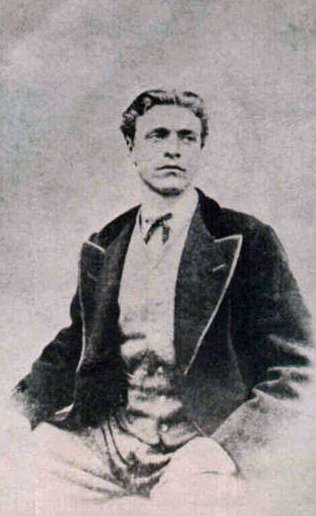
Was a Bulgarian revolutionary and is a national hero of Bulgaria today. Dubbed the Apostle of Freedom, Levski ideologized and strategized a revolutionary movement to liberate Bulgaria from Ottoman rule. Levski founded the Internal Revolutionary Organisation and sought to foment a nationwide uprising through a network of secret regional committees.
Levski looked beyond the act of liberation: he envisioned a “pure and sacred” Bulgarian republic of ethnic and religious equality. His concepts have been described as a struggle for human rights, inspired by the progressive liberalism of the French Revolution and 19th century Western European society.
He was arrested on the morning of 27 December 1872.
Initially taken to Veliko Tarnovo for interrogation, Levski was sent to Sofia on 4 January. There, he was taken to trial. While he acknowledged his identity, he did not reveal his accomplices or details related to his organization, taking full blame. Ottoman authorities sentenced Levski to death by hanging. The sentence was carried out on 18 February 1873
Hristo Botev,
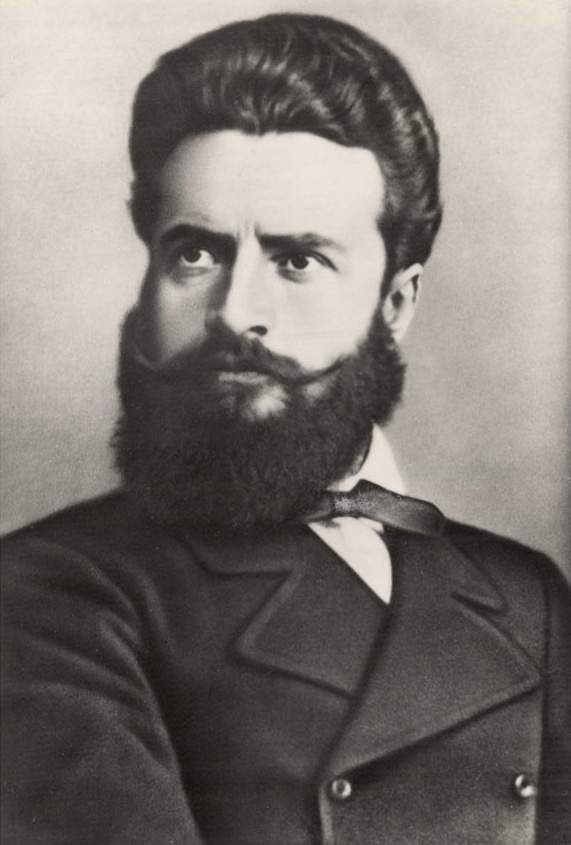
Bulgarian poet and national revolutionary, Botev is widely considered by Bulgarians to be a symbolic historical figure and national hero.
After the death of Vasil Levski, he becomes the leader of the Bulgarian Central Revolutionary Committee (BCRC; In Bulgarian: БРЦК).
He start the uprising in Vratsa, but things didn’t go well, not much support from the people that were afraid of the ottoman empire , then at dusk on 20 May 1876 (in the Julian calendar, equivalent to 2 June 1876 in today’s Gregorian calendar), that a single bullet, most probably fired by a concealed Ottoman sharpshooter, hit Botev in the chest, killing him instantly. After the death of their leader and chief inspiration, the company suffered a serious drop in morale and began to disperse.
Botev’s image was methodically built up as a revolutionary icon by 19th-century Post-Liberation intellectuals and authors.
Stefan Karadzha,
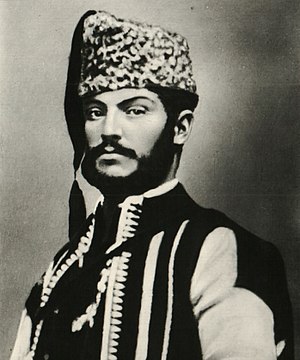
Born 11 May 1840 and died on 31 July 1868, he was a Bulgarian national hero, a revolutionary from the national liberation movement and a prominent leader of the rebellion against the Ottoman Empire.
n 1867, he joined the Second Bulgarian Legion, which he quit the following year before returning to Romania, where he had a meeting with Hadzhi Dimitar. On 6 June, both of them were leaders of a detachment of 129 people, and crossed the Danube at Vardim, near Svishtov. Their cheta was supposed to get to Stara Planina and establish there a revolutionary government that would then command a general uprising of all Bulgarians. This was not to happen, though, as the group was discovered by Turkish forces shortly after crossing the river. Stefan Karadzha was badly wounded during the fight at Kanladere near Vishovgrad, and was captured by the army and police sent by the chairman of the State Council, Midhat Pasha
Karadzha was standing half-dead before the emergency Turkish court, assembled by Midhat Pasha, the so-called criminal council, and sentenced to death by hanging, but died from his wounds before the execution.
Hadzhi Dimitar,
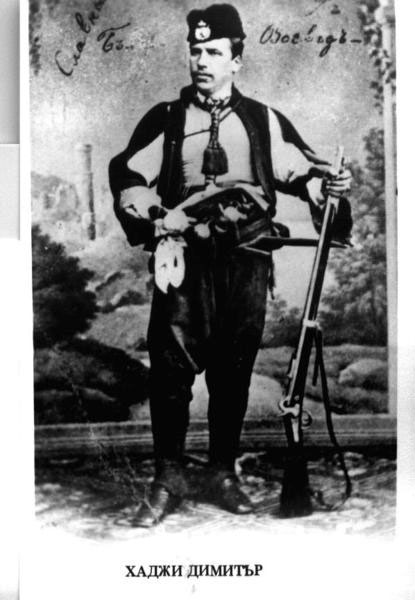
10 May 1840 – 10 August 1868), was one of the most prominent Bulgarian voivode and revolutionaries working for the Liberation of Bulgaria from Ottoman rule.
His death inspired Hristo Botev’s poem “Hadzhi Dimitar” in 1873:
He who falls while fighting to be free
can never die: for him the sky
and earth, the trees and beasts shall keen,
to him the minstrel’s song shall rise…
Lyuben Karavelov,
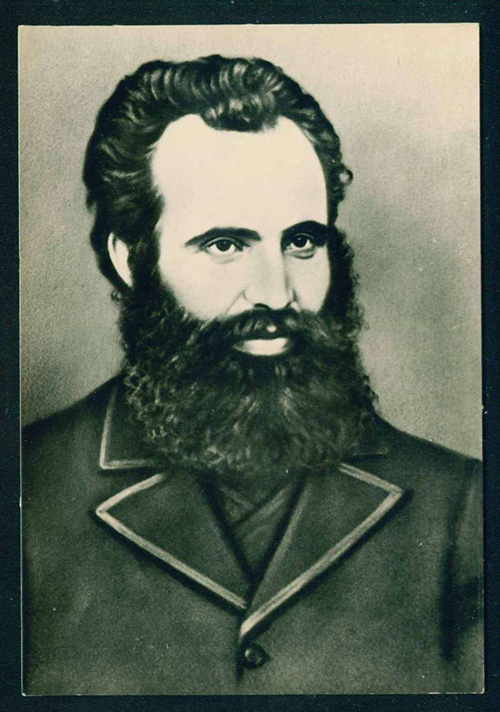
(c. 1834 – 21 January 1879) was a Bulgarian writer and an important figure of the Bulgarian National Revival.
In 1870, Karavelov was elected chairman of the Bulgarian Revolutionary Central Committee, where he worked with Vasil Levski, the leader of the Internal Revolutionary Organization; he shared Levski’s ideas of a democratic republic as the goal of the national revolution.
Karavelov died in Rousse in 1879, soon after the liberation of Bulgaria.
Dobri Chintulov,
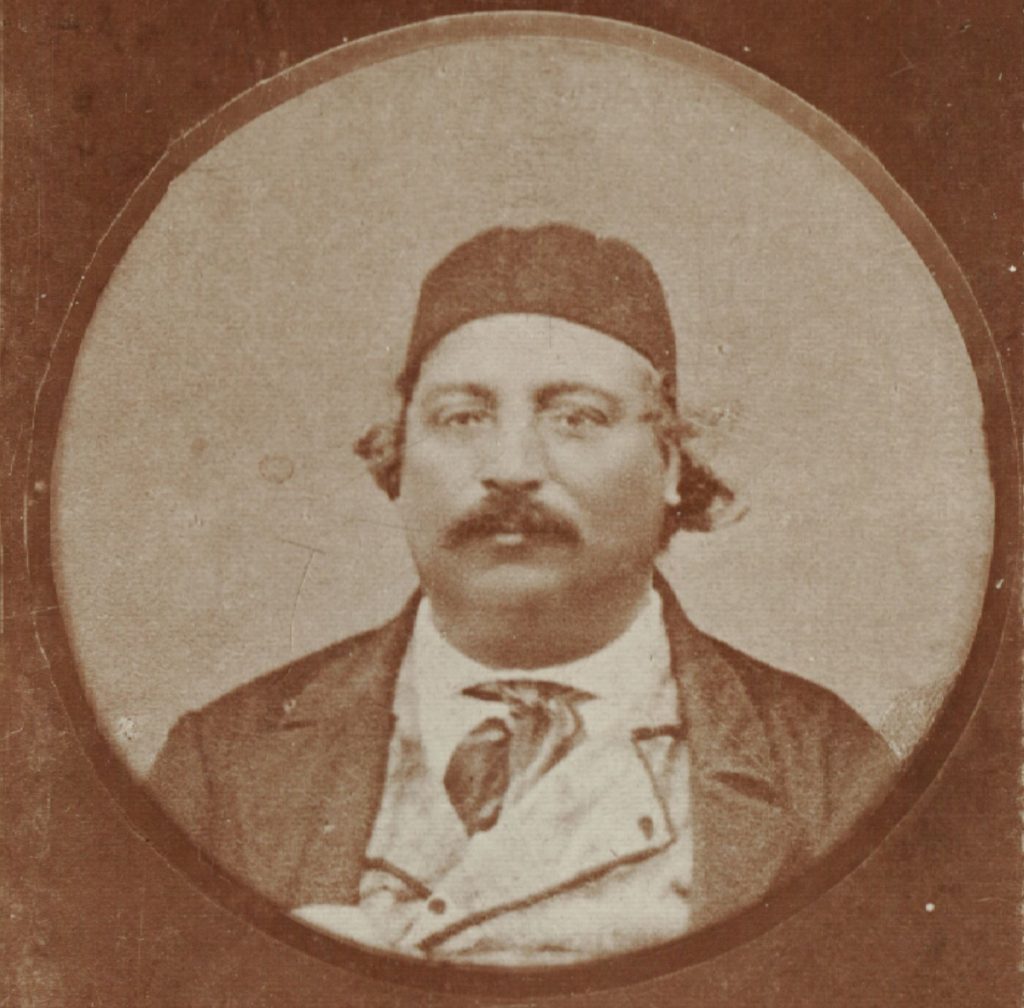
(1822 — 27 March 1886) was a Bulgarian poet, teacher, and composer of the Bulgarian National Revival period.
He established a cultural center (chitalishte), joined the Bulgarian Church struggle and endorsed the idea of Bulgarian independence. In that period, he wrote a number of patriotic and revolutionary songs and poems, some of which became very popular and renowned as anthems of the revolution.
Chintulov died in Sliven on 27 March 1886, disappointed with the post-Liberation reality.
Chintulov’s poetic legacy is not large in numbers, as only around 20 of his poems have survived: he had to burn his manuscripts twice. Only three of his songs have been published, but his works had a tremendous influence on the Bulgarian youth of the time and are still well known as classic Bulgarian revolutionary music.
Ivan Vazov,
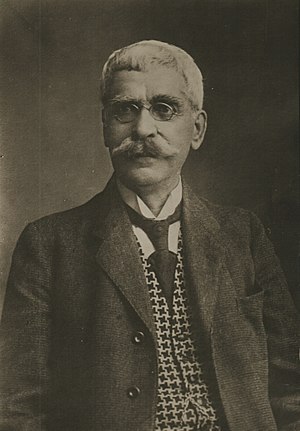
(June 27, 1850 OS – September 22, 1921) was a Bulgarian poet, novelist, and playwright often referred to as “the Patriarch of Bulgarian literature”
The works of Ivan Vazov reveal two historical epochs – the Bulgarian Renaissance and the Post-Liberation (from Ottoman Empire rule) epoch. Ivan Vazov holds the highest honorary title of the Bulgarian Academy of Sciences – Academician. He acted as Education and People Enlightenment Minister from September 7, 1897, until January 30, 1899, representing the People’s Party.
There are many other great Bulgarians that help to make Bulgarian country and identify what it’s today, but this are some of the most representatives.