
Здравей, That means Hello in Bulgarian!
And the short answer is yes, you can learn the Bulgarian Language, and there are multiple benefits to learning Bulgarian if you live here, from getting around freely to making new friends, learning the language will produce a positive effect in your quality life in Bulgaria
And at the same time, we understand that it isn’t always easy, especially for adults. The motivation to learn can improve proficiency, so if you really want to learn Bulgarian language, it’s never too late.
 Check Out Our Best Videos!

Most people believe that to learn a new language require a talent of some kind, but that isn’t true more like a “self-limiting beliefs” and, there are many other myths around learning the Bulgarian language that just stops us to make the move and start learning!

In fact, many expats, have been learning Bulgarian for quite a long time but never focused on it. It is as if you want to become an athlete just training half an hour twice a week. Results never come that way.
When it comes to learning Bulgarian or any foreign language, being focused is the key. If you focus on the right manner, you can achieve results in a short period of time.
Doesn’t matter if you learn Bulgarian online or face to face learning sessions! More important than having a good teacher is to have a good Bulgarian language learning process!
5 stages when learning Bulgarian (or any other second language)
Read them and discover in which stage are you
1. Silent/receptive:
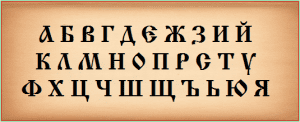
This stage may last from several hours to several months, depending on the individual learner. During this time, new language learners typically spend time learning the alphabet, vocabulary, and practice pronouncing new words. While they may engage in self-talk, they don’t normally speak the language with any fluency or real understanding.
2. Early production
This stage may last about six months, during which language learners typically acquire an understanding of up to 1,000 words. They may also learn to speak some words and begin forming short phrases, even though they may not be grammatically correct.
3. Speech emergence
By this stage, learners typically acquire a vocabulary growing in words, and learn to communicate by putting the words in short phrases, sentences, and questions. Again, they may not be grammatically correct, but this is an important stage during which learners gain greater comprehension and begin reading and writing in their second language.
4. Intermediate fluency
At this stage, which may last for a year or more after speech emergence, learners typically have a richer vocabulary. They usually acquire the ability to communicate in writing and speech using more complex sentences. This crucial stage is also when learners begin actually thinking in their second language, which helps them gain more proficiency in speaking it.
5. Continued language development/advanced fluency
It takes most learners at least two years to reach this stage, and then up to 10 years to achieve full mastery of the second language in all its complexities and nuances. Second language learners need ongoing opportunities to engage in discussions and express themselves in their new language, in order to maintain fluency in it.
3 methods that are known for improving learning and memory of the Bulgarian language
Spaced Repetition
Spaced repetition is a memory technique that helps you keep what you’ve learned strong in your mind. The way it works is you review each word or phrase you’ve learned at spaced intervals. Initially, the intervals will be smaller: you might review a new word a few times in one practice session, and then again the next day. Once you know it well you’ll be able to leave days or weeks between revisiting without forgetting it.
Study Content, Not the Language

Although most language learning classes and programs focus on purely learning the language, a study shows that if you learn a subject which is interesting to you in Bulgarian you should be more motivated to learn and get better results faster.
If you like news try to watch them in the Bulgarian language, or if you prefer history, get a book of history in the Bulgarian language.
Once you’ve mastered the basics of a new language, try including some content on a topic you’re interested in to improve your understanding. You could have conversations with friends learning the same language, read articles online or listen to a podcast to test your comprehension.
Practice a Little Every day
If you’re busy, you might be tempted to put off your studying and cram in a big chunk of learning once every week or two. However, studying a little every day is actually more effective.
Now that you know how to get started, let’s put the theory into action and start learning Bulgarian.