
When people talk about Europe, they usually mean Western European countries like Spain, France, or Italy. Eastern European countries, of which Bulgaria is part, never quite captured the public’s imagination. They exist in a state of limbo: similar, but also different.
What little we know about Bulgaria comes from outdated depictions in the media. One can be forgiven for thinking that the country is drab, poor, and communist. After all, it used to be part of the Iron Curtain.
However, Bulgaria is doubtlessly cosmopolitan, with a history that dates back thousands of years. Its culture and people have been influenced by some of history’s greatest empires. Sofia, the capital city, is home to many cultural institutions and major businesses.
It has also emerged as one of the best places in Europe to start a new business. And with its mineral springs, valleys of roses, and white-sand beaches, there’s no doubt that Bulgaria is one of the most beautiful countries in the world.
It’s easy to see why many Americans have considered moving to Bulgaria. Here’s a quick guide to living in Bulgaria as an expat.
Getting a visa
Americans traveling to Bulgaria don’t need to apply for a visa if they’re staying for fewer than 90 days. However, if you’re planning to move, you’ll need a residency permit and a Type D visa.
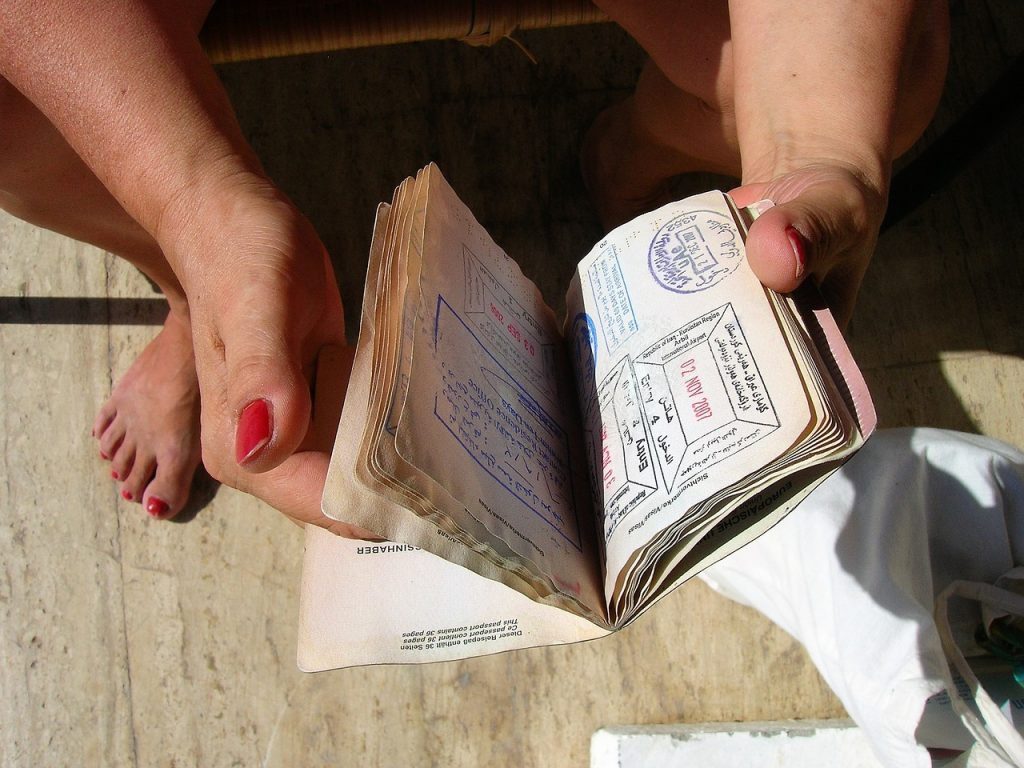
To be considered for a residency permit, you need to apply for a Type D visa first. To qualify for a long-term visa, you’ll need to satisfy at least one of the following conditions:
- You have an offer of employment from a Bulgarian company
- You own a Bulgarian business that employs at least 10 nationals
- You are enrolled in a Bulgarian university as a full-time student
- You want to retire in Bulgaria and have enough funds to support yourself
If you intend to work in Bulgaria as a freelancer, it’s important to note that you will need a B1-level command of the Bulgarian language to apply for a freelancer permit.
You’ll also need to comply with the following requirements to be considered for a residency permit:
- A passport valid for the duration of your stay
- Police registration
- Travel documents
- Proof of financial capacity (e.g. bank statements, an offer of employment)
Life in Bulgaria
While Bulgaria’s economy has increased fivefold in the last twenty years, expats still face some challenges. However, modern Bulgaria has developed a reputation for mixing the old with the new. The culture is fresh, vibrant, and youthful. It’s not uncommon to see modern bars, art galleries, and restaurants alongside historic architecture.
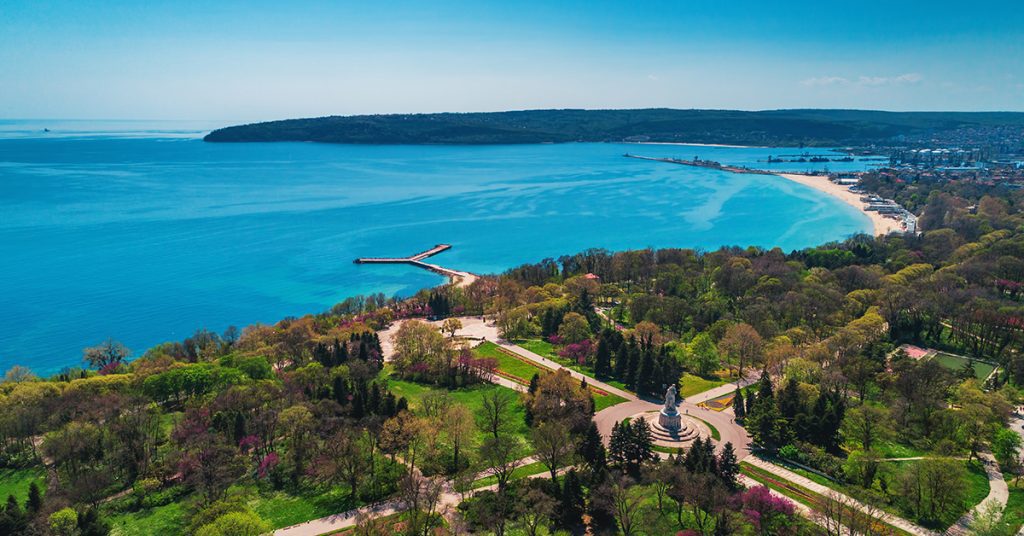
There’s always something to do when you visit Bulgaria. The Black Sea offers white sand beaches, unique diving spots, and fresh seafood (Caviar anyone?), while the Balkan Mountains have attracted trekkers and mountaineers from all over the world. And if you’re itching to hit the slopes, Borovets and Bansko are two of the most popular ski resorts on the entire continent.
Throughout its long history, Bulgaria has served as an important bridge between the East and the West. Its society has been influenced by the Greeks, the Ottomans, and the Persians, among others. The result is a veritable melting pot of cultures, and art, music, and dance you can’t find anywhere else.
Getting around
All the major cities have some form of public transit (e.g. buses, trams, metro system) so getting around shouldn’t be a struggle. Taxicabs and walking are also popular options. However, if you live outside the center or if you plan on traveling a lot, you might want to buy a car.
Cost of living
One of the best parts of living in Bulgaria is the low cost of living. An expat can maintain a comfortable (or even luxurious) lifestyle without thinking too much about their finances.
Number estimates that, without rent, it will cost you around $2,015 to raise a four-person family in Bulgaria. For a solo expat, that figure drops to $576.
Rent for a one-bedroom apartment in the city center ranges from $372 to $620. Basic utilities (e.g. power, water, heating) top out at $200 while a high-speed internet connection will cost you no more than $19. A week’s worth of groceries costs around $60.
Where do U.S. expats live
It shouldn’t come as a surprise that the expat scene in Bulgaria is dominated by Europeans, but there is also a tight-knit American expat community.
Most American expats in Bulgaria are concentrated in three major areas: Sofia, Bansko, and Varna. Each place offers something different — a testament to the diversity of Bulgarian culture and lifestyle.
Sofia
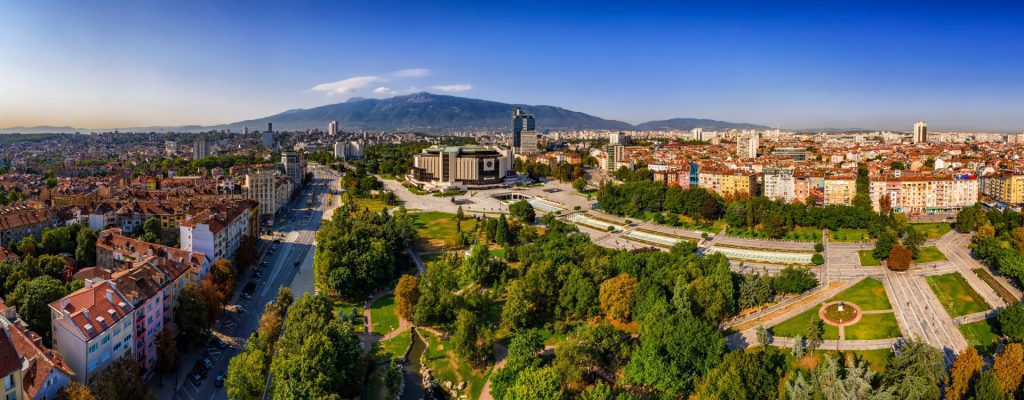
People all over the world flock to Sofia, Bulgaria’s capital and largest city. The city is the country’s center of commerce, which makes it ideal for business travelers, remote workers, and freelancers. In recent years, Sofia’s tech start-up scene has flourished, fueled by low tax rates and a highly educated workforce.
Sofia is also Bulgaria’s hub for arts, culture, and education. Since it is home to the country’s top museums and universities, many artists, intellectuals, and students live in the city.
Bansko
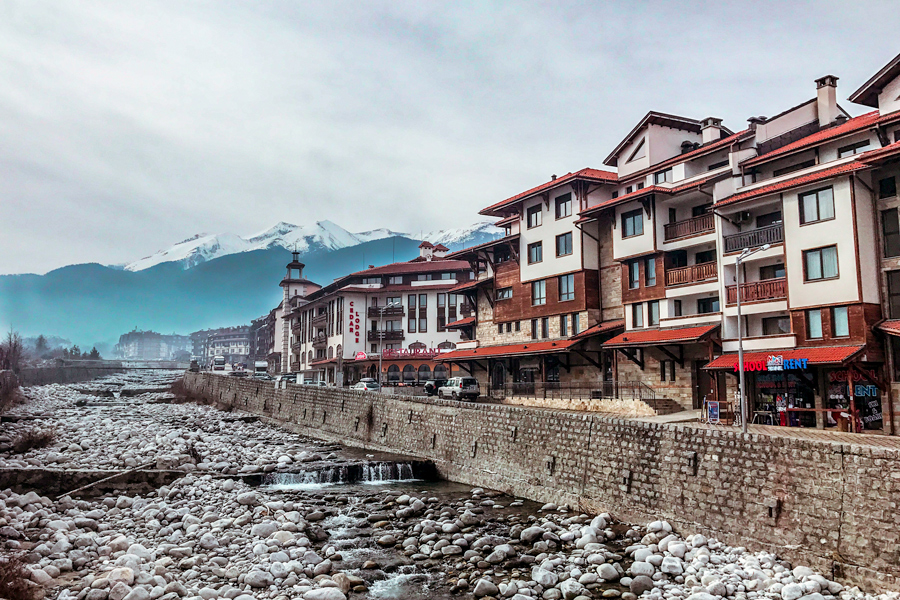
Those looking for a mountain lifestyle will feel right at home in Bansko, a ski resort town at the foot of the Pirin Mountains. Known for its mountain peaks, ski slopes, and old-growth pine forests, Bansko is one of the most popular winter destinations in Eastern Europe.
With only about 12,000 residents, Bansko is perfect for expats looking for a small community surrounded by nature. And with its low cost of living, it has been praised as a cheaper alternative to France and Switzerland. Students looking for a more laid-back setting also go to the American University in Bulgaria, less than an hour away from Bansko.
Varna
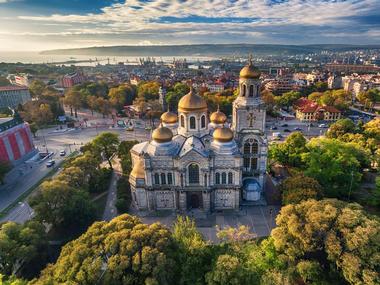
Located on the Bulgarian Riviera, the coastal city of Varna has been a major economic, cultural, and social center for almost 3,000 years. Families and expats looking for an easygoing beach lifestyle often settle in this city.
While it’s more known as a resort destination, Varna is also a hub for healthcare, education, and business. The American High School of Bulgaria is located in this city and offers American-style education to locals and expats alike.
Working in Bulgaria
The low cost of living, bustling economy, and growing start-up scene have enticed many Americans to put down roots in Bulgaria. Some expats work for multinational or local companies, while others have opted to start their own business. There’s also a growing community of expat freelancers and remote workers.
If you are serious about settling in Bulgaria, you must learn to read and speak in Bulgarian. Practically all important forms are in Cyrillic and translations are hard to come by.
Retire in Bulgaria
Thanks to the low taxes, cost of living, and crime rate, Bulgaria has become a top destination for retirees. You can enjoy all the old-world sights and sounds that Europe has to offer without the exorbitant price tag. Sofia is also the cheapest European capital for buying and renting real estate.
To retire in Bulgaria, you’ll need to apply for a Type D visa and a long-term residence permit, renewable every year. After 5 years, you have the right to apply for a permanent residence permit. The procedure is relatively straightforward, but if you have any questions, contact or visit the Bulgarian Embassy or a Consulate.
Your tax obligations
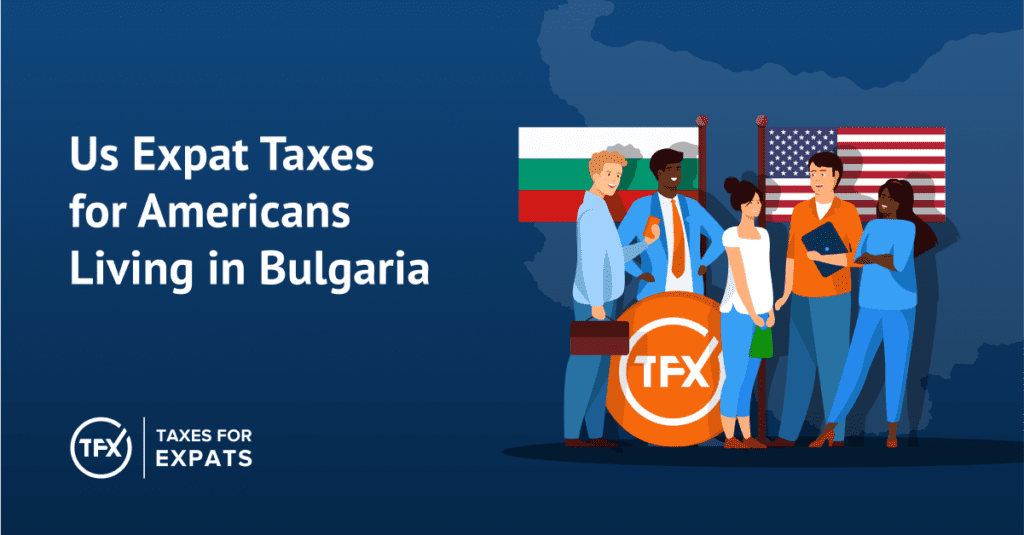
If you live and work in Bulgaria, you are considered a resident for tax purposes. That means you need to pay a 10% tax on your worldwide income.
However, the U.S. federal tax code states that American citizens and permanent citizens who earn a minimum of $12,400 (or $400 for self-employed individuals) have to file a federal tax return every year, even if they live and work in Bulgaria.
The Internal Revenue Service (IRS) taxes your worldwide income. So even if you work or own a business in Bulgaria, you’re still on the hook for U.S. federal income taxes. The rules for filing your tax return are generally the same whether you live in the U.S. or abroad.
But since you’re a Bulgarian resident, you can take advantage of deductions and exclusions to reduce your tax liability. For instance, you can use the Foreign Earned Income Exclusion (FEIE) to exclude the first $108,700 of Bulgarian-earned income. You can also use the Foreign Tax Credit (FTC) if you’ve paid taxes to the Bulgarian government.
If you have any questions about your tax situation as a U.S. expat in Bulgaria, it’s best to work with a specialist tax service such as Taxes For Expats (TFX).

We hope this information is usefully for you, and also we want to thank Veronica Rhodes from TFX, for all the research and help to create this article.
TFX is a women-owned tax firm that offers all U.S. tax services — for both American citizens and non-citizens with U.S. tax filing requirements. From straightforward expat tax preparation to complex cases involving multiple factors — we’ve handled it all for over 25 years.
Use your “BGFOREIGNER” coupon to get a $25 discount, exclusively for Foreigner BG readers!