
Are you looking for the best cities to live in Bulgaria? Well, stop searching, because you’re in the right place. We will share with you the top 6 cities to live in Bulgaria.
Finding the right city to live in is a difficult task. Dozens of factors, many unknowns, and tons of information that is not always up to date.
We’ve got you!
Basic overview of Bulgarian Indicators
Bulgaria is located in the southeastern Balkans at the crossroads of Europe and Asia. Its location was favorable for invasions in the past, but also ensured the development of the country.
Bulgaria is one of the oldest countries in Europe, founded in the seventh century. It borders Turkey, Greece, Macedonia, Serbia, Romania, and the Black Sea, and landforms include mountains, plains, and the coastline.
The economy is driven by:
- Construction
- Mining
- Services that include tourism
- Agriculture
The culture of Bulgaria mixes East and West, reflecting the influence of Slavs, Bulgarians, and Turks, as well as from ancient Greece, Rome, and Byzantium.
We will now look at the general situation in the country according to several indices: GDP, GDP per capita, Human Development Index, and Mercer Quality of Living Survey. Let’s start!
Gross domestic product of Bulgaria

Gross domestic product measures the number of goods and services produced in a country per year. It determines the financial results of the country and measures on average how much money people make annually in the country.
In the first quarter of 2020, Bulgaria’s gross domestic product increased by 0.3% compared to the previous quarter.
The number of GDP in the first quarter of 2020 was 14,059 million dollars. Bulgaria has a quarterly GDP per capita – from 2,204 dollars, 159 dollars higher than the same quarter last year.
Keep in mind that the ranking of GDP will change over time. It can be useful in determining the relative quality of life from a material and economic point of view, but there are gaps in measuring GDP because it does not focus on aspects of people’s social, emotional, and physical well-being.
Human Development Index – the progress of the nation
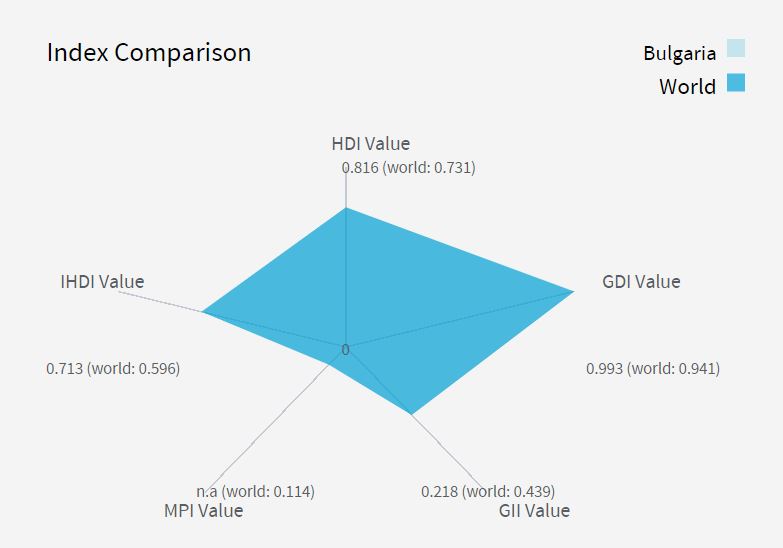
The next index is the Human Development Index (HDI). It is a tool for comparing the level of development of different countries.
Bulgaria ranks 52nd with a score of 0.812 in the list of 189 countries in the Human Development Index. This is stated in the Report on Human Development for 2019, prepared by the United Nations Development Program (UNDP).
From the results, we can say that the country has a high level of human development. It is among the leading Balkan countries, followed by Slovenia (24th place), Greece (32nd place), and Croatia (46th place).
The assessment given to each country reflects life expectancy, education, income level in that country. This index is a standard tool for measuring the level of well-being and especially the well-being of children.
Where does Bulgaria rank on the Mercer Quality of Living Survey?

This survey is put out by the Mercer organization to determine the quality of life in 200 cities around the world. The survey asks questions about public safety, public transportation, political stability, and the quality of the environment, as well as entertainment and culture. If your city participated in the survey this year, look on the Mercer website to find out where it ranks.
The Bulgarian capital ranks 115th in the ranking of a total of 231 cities.
All these indices alone cannot reflect the overall picture of the situation in a country. This is the reason we look at them together – they complement each other.
For example:
HDI is often used in addition to measuring GDP. The HDI does not take into account the difference in gender or racial equality but has plans to expand its measurement to include more details.
Given this information, let’s move on and see which are the top cities that will fight for the first place.
And the nominees for the Foreigner.bg award “Top 6 Bulgarian Cities To Live In For 2020” are…
Plovdiv, Varna, Sofia, Stara Zagora, Veliko Tarnovo, and Burgas. These six cities will compete on the following 11 indicators:
- Income and standard of living
- Labor market
- Investment and economics
- Infrastructure
- Local taxes
- Demographics
- Education
- Healthcare
- Order and security
- Environment
- Culture
Let’s see how each of them performs:
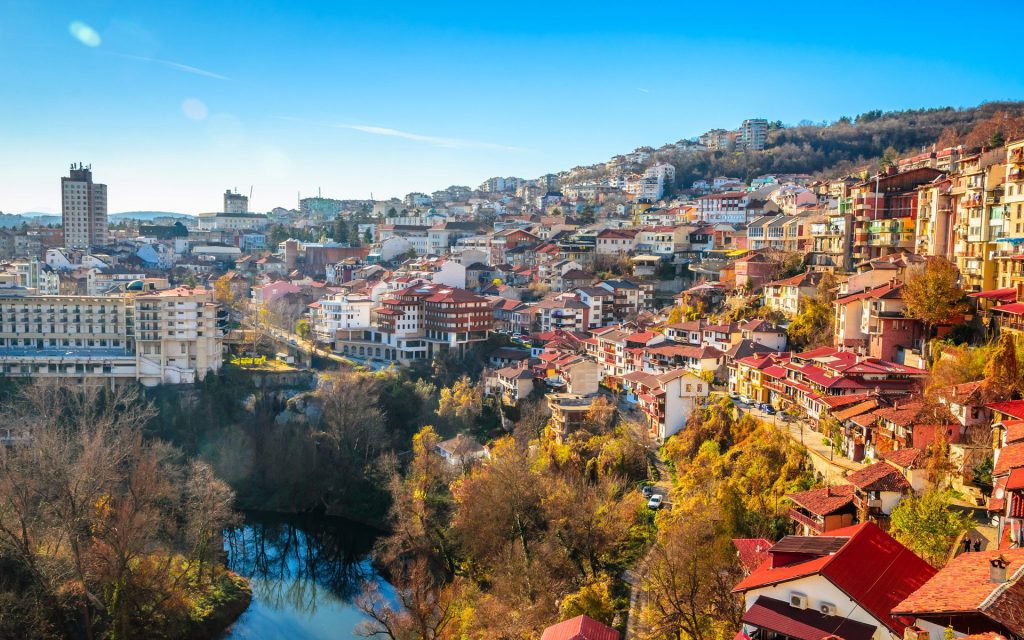
Veliko Tarnovo
Income and standard of living
GDP per capita in the Veliko Tarnovo district is about 10,529 – 67% of the national average.
The population living in material deprivation is approximately 27%, and the population living below the national poverty line is 29%.
Labor market
The labor force (economically active population) is 43,139 people. 39.8% of the district’s workforce is concentrated on the territory of the Municipality.
In 2018, a record economic activity of the population aged 15–64 (70.4%) was registered, as well as a record level of employment (66.6%) for the same age group. The unemployment rate is approximately equal to the national average – 7.1%.
This minimal growth of unemployment is indicative of the increasing economic activity of the population, rather than a reversal of the positive trend.
The educational structure of the workforce is very good. Veliko Tarnovo is one of the districts with the lowest share of the population aged 25-64 with primary or lower education.
Graduates are over 27%, which is related to the traditions of the district in the field of higher education, such as lagging behind the national average.
Investment and economics
Veliko Tarnovo is not among the districts with a high percentage of foreign investments. Lower levels are observed only in five districts – Kyustendil, Montana, Silistra, Haskovo, and Yambol.
As of June 15, 2019, Veliko Tarnovo District has absorbed European funds worth BGN 350 million or BGN 1,477 / person (82% of the national average).
Infrastructure
Veliko Tarnovo District is characterized by a good level of infrastructural development. One of the leading prospects for development is the renewal of the construction of the Hemus highway.
The density of both the road and the railway network is higher than the national average. The relative share of highways and first-class roads is lower than in most areas – 16.3%.
The problem is the poor quality of the road network and the field of digital infrastructure. However, the deviations are not so high from the average percentages for Bulgaria:
- About 9-10% in the quality of the road surface
- Less than 6% for internet access
Local taxes
Local taxes in the district are higher than average, especially real estate taxation.
The average amount of the annual real estate tax of legal entities reaches 2.35 ‰ in 2019 at an average level for the country of 1.95 ‰, and the tax for remunerative acquisition of property reaches 2.64% compared to 2.52% for the country.
The patent tax for retail trade and the annual patent tax for taxi transport of passengers is lower than the national average, but this has almost no impact on the quality of life.
Administration
The self-assessment of the municipalities in the district for the scope of the electronic services provided by them is higher than the national average.
There is a backlog in the readiness to serve citizens and businesses at one counter. AIP estimates the transparency of municipalities at 73%.
Demographics
Demographic trends in Veliko Tarnovo follow those at the national level. The deterioration of indicators is more clearly visible in the last few years.
The natural increase of the population decreases to almost -10 ‰, which is the lowest value for the district so far, and the coefficient of mechanical growth of the population decreases to -5 ‰.
The municipality has a very large share of the urban population – 84.8%.
Education
The city of Veliko Tarnovo is an established center for the training of personnel with secondary and higher education. A good education system has been established, which is entrusted to qualified teachers, educators, and specialists with proven high professionalism and rich experience.
On the territory of Veliko Tarnovo Municipality there are:
- 22 kindergartens
- 13 primary schools
- 4 secondary schools
- 3 profiled high schools
- 5 state vocational high schools in the field – tourism, economics, light industry, electronics, construction
- 1 private profiled high school
- 2 special (auxiliary) schools
In the field of higher education VTU “St.St. Cyril and Methodius ” present Veliko Tarnovo, which is the second-largest university in Bulgaria and is the successor of the educational and cultural traditions of the famous Tarnovo literary school from the fourteenth century. The number of students studying at VTU is more than 10,000 in over 60 specialties.
In Veliko Tarnovo is the largest and oldest higher military school in Bulgaria – the National Military University “Vasil Levski”.
Healthcare
The number of beds in the hospital is 3.17 beds per 1000 people. This value is much lower than the national average of 5.34 beds per 1,000 people. Access to health services is further hampered by the shortage of both general practitioners and leading physicians.
The share of health insured persons (83.9%) is lower than the national average (87.9%).
Veliko Tarnovo District achieves better results than the national average in only two of the indicators in this category:
- The infant mortality rate is 3.2 ‰
- The morbidity of the population, measured by the number of patients who passed through the local hospitals, is also lower than the national average.
Order and security
The crime rate is below the average for Bulgaria, and the average detection rate is higher.
The relative share of criminal cases completed within 3 months (90.2%) is analogous to the national average, and the relative share of pending cases is only 7.6%.
Environment
In this category, the district is one of those with the highest score. This is due to the low and constantly decreasing emissions of carbon dioxide, as well as the lower than the national average volume of municipal waste generated.
About 70% of the district’s population lives in settlements with access to public sewerage, and 59-60% of it is connected to treatment plants.
Culture
Only Gabrovo and Sofia are ahead of Veliko Tarnovo in this category.
The attendance of the museums in the district is almost five times higher than the national average. Local theaters are also attracting considerable interest, and cinemas have slightly below-average attendance.
Varna
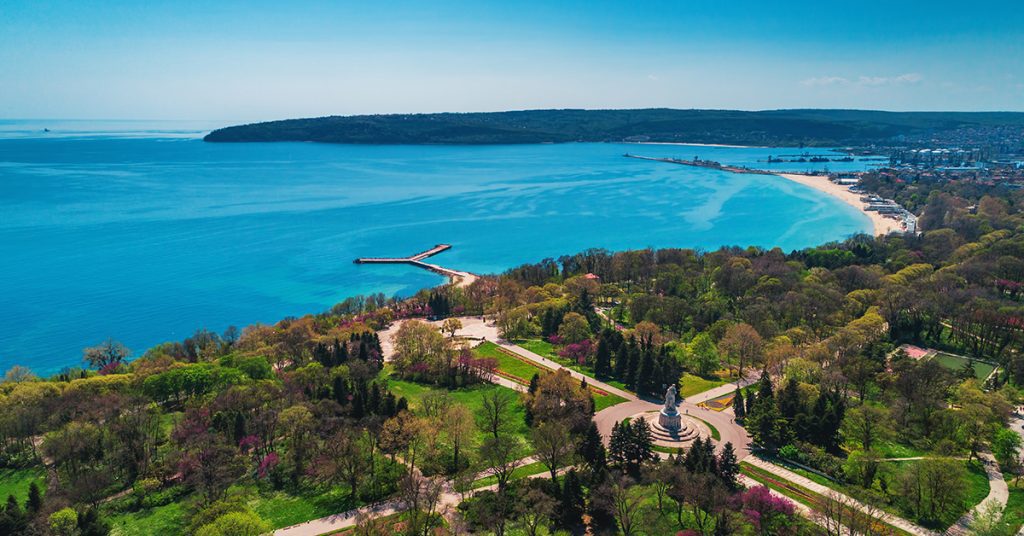
In recent years, Varna District is one of the leaders in the country with very good economic development. The labor market is dynamic and the level of economic activity is high.
Despite the favorable conditions we have listed above, the level of poverty is high, and the high level of local taxes could harm its economic development.
Income and standard of living
In recent years, Varna District is one of the leaders in the country with very good economic development. The labor market is dynamic and the level of economic activity is high.
Incomes and living standards in Varna district have been growing in recent years. In 2018, the GDP per capita in Varna district is 13,008. Thus, the district ranks fourth in the country after the districts of Sofia (capital), Stara Zagora, and Sofia.
Despite its leading position, BGN 13,008 is below the average value of the indicator for the country – BGN 14,280. The incomes of the employees in the district are also slightly behind.
The population living in material deprivation is 31.1%. This is well above the national average (20.9%). Only the districts of Sliven and Vratsa rank after Varna on this indicator.
Labor market
The labor market in the district is very well developed. The unemployment rate is 4.4% and is below the national average (5.3%), and economic activity is close to the average – about 69.3 and 71.5%.
The good educational structure contributes to the development of the labor market, as 29.5% of the population has higher education. Only the capital has a higher score. Only 19.1% of the population have primary and lower education. The Municipality of Varna has:
- 17 high schools
- 12 vocational high schools
- Four public and two private universities
Investment and economics
The regional economy of Varna district has great potential and opportunities for development. The high level of education and the availability of developed infrastructure create suitable conditions for business. This is one of the reasons why foreign direct investment is growing rapidly.
Infrastructure
Infrastructure is very well developed:
- The density of the road network is 18.8 km / 100 sq. Km
- The railway network is 5.2 km / 100 sq. Km
The average values for the country are 17.9 and 3.6 km, respectively.
In terms of motorways and first-class roads, the results are 27.5%. Only the districts of Sofia (capital), Sofia, and Shumen are ahead of it. Again, despite the good results, 2 factors affect people’s satisfaction with road quality:
- The remoteness of the district from the capital
- The large influx of tourists during the summer months
This makes new investments in highways and first-class roads necessary. The share of the road surface in good condition is 42.7% in 2018. The share of households with internet access is 76.6% for the district.
Local taxes
The level of taxes hurts economic activity. The district is on the penultimate place after Burgas district in the ranking “Best local taxes”.
Demographics
The demographic development of the district is better than the national average. The natural increase is -4.0 ‰. Despite the minus in front, this is one of the highest results in the country.
Varna is one of the five districts in which mechanical growth is positive (2.2 ‰). 83.9% of the population lives in cities, and the national average is 73.6%.
The age dependency ratios are better than the national average. Aging is not yet a serious problem, as it is in most other areas.
Education
The educational structure of the population is very good, but there are opportunities to improve participation in the education system.
The results of the matriculation exams are above the national average:
- The poor grades of the BEL (Bulgarian Language and Literature) matriculation exam are 6.2%
- The average grades of the Matura exams are 4.26 (Good)
Varna remains also one of the largest university centers in Bulgaria. There are 51 students per 1,000 population. A large number of universities in the district attracts students from other parts of the country as well as from other countries.
Healthcare
The number of general practitioners in Varna district is close to the national average, and the situation with specialists is even better. The number of beds in MHAT per 1000 people of the population is 4.36, and the number of patients who have passed through MHAT is 164.2. These results are slightly below the average for Bulgaria.
The share of health insured persons to the population is 83.5%. This is 4.4% lower than the national average. The infant mortality rate in the district is 5.6 ‰.
Order and security
The judicial system in the district is much lower than the average workload of criminal judges – 6.3 cases per month on average compared to 9.2 for the country. The number of registered crimes against the person and property is high – 14.3 per 1000, and the detection rate is low 33.1%.
Environment
Municipal waste and carbon dioxide emissions are above average. If we compare them with the highest levels in 2011, they have decreased almost three times! The population that has access to sewerage connected to wastewater treatment plants is also high – 86.2%.
Culture
There are:
- 5 Cinema
- 3 Theaters
- 6 Museums
- 2 Libraries
Concerts, opera, and theater performances are regularly held in the area. There are festivals and holidays for all ages – from the youngest to the oldest.
Burgas
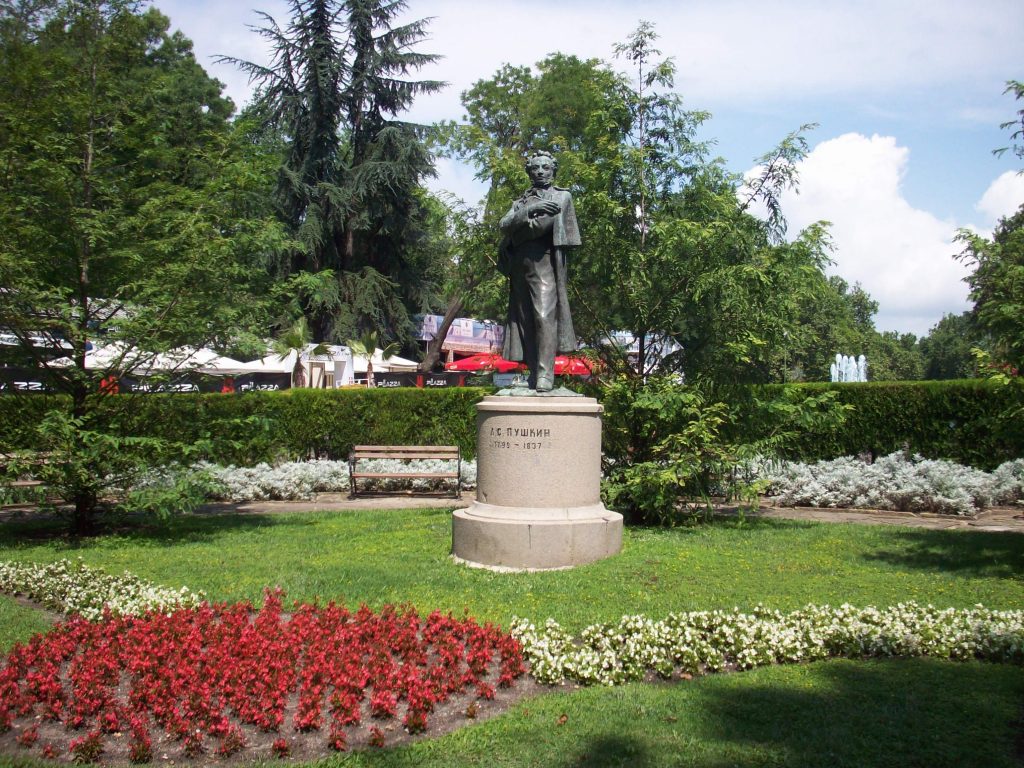
Burgas district has also developed positively in recent years. The gross domestic product per capita reaches BGN 12,240 but is still below the national average.
Income and standard of living
The average annual salary of an employee increased to BGN 10,276, although it still lags behind the average of BGN 12,448. The average annual income per household member is BGN 5,037 or 90% of the national average. The standard of living in the district is improving, with the relative share of people living below the poverty line being 19.6%.
Labor market
The labor market is one of the strongest in the country, with unemployment at 5.3% and economic activity at 71.1%. Despite these high results, education does not help accelerate market development. The number of graduates in the district is 23.6%, which is below the national average. The percentage of people with primary and lower education is 20.1%.
Investment and economics
Burgas is the second district in the country in terms of investments and business activity. The number of non-financial enterprises per capita (73) is still one of the highest in the country (average 57).
The foreign investments in the district are 4579 EUR / person with accumulation and exceed the average for the country 3459 EUR / person. The production per capita in Burgas district is approximately BGN 34,471.
Infrastructure
Burgas district has good geographical advantages due to the plain region but lags in infrastructure development compared to other districts in the country. The road infrastructure and the railway network are lower than the average density, and the quality of the road surface is below the average for Bulgaria.
The Trakia highway, which connects the Burgas region with the rest of the country, has a positive effect.
Local taxes
Like Varna, local tax levels in Burgas district are higher than in the rest of the country.
Demographics
The demographic data of Burgas district are good if we compare them with the growing aging in the country. The natural increase in Burgas district is about -4.3 ‰ and better than the national average of -6.5 ‰. The mechanical growth is a positive 1.3 ‰, which makes the area one of the few with a similar result. In Burgas district, urbanization is a fact and 76.4% of the population lives in cities.
Education
The educational system in Burgas district does not create good enough conditions for social development. The enrollment rate of students in grades V-VIII reaches 87.3%, which is almost as much as the national average of 87.4%.
The results of the secondary education system are reflected in the average grades of the BEL matriculation exams in 2019, which are very little above the national average (4.11 compared to 4.06). Students are also few in the area – 14 per 1,000 people. The reason may be the limited number of universities in the field and the low quality of education.
Healthcare
The healthcare in Burgas district is not one of the best in the country. There are 20 hospitals in the district.
Only 84.1% of the population has health insurance. There are a small number of general practitioners who serve an average of 1976 people, and specialist doctors serve an average of 494 people. The number of beds in the hospital is 3.42 and almost half of the national average of 5.34.
Order and security
The work of the justice system in Burgas district does not achieve good results. There is a slight decrease in crime and the growing detection of crime, but these values are far from the national average. The workload of criminal judges is 7.8 cases per month per judge and continues to decline. The average value for Bulgaria is 9.2 cases per month.
Environment
The state of the environment in the area is good. The amount of household waste and carbon dioxide emissions are below the national average. The high urbanization of the area also implies high access to sewerage and treatment facilities.
Culture
The cultural life in Burgas district is not very dynamic. Its levels of development are below the national average. Visits to cinemas are increasing, and visits to theaters and museums are around average. Burgas is in the last place among the district’s visits to libraries. This is probably because the district has only two libraries and not the population’s antipathy to personal development.
Stara Zagora
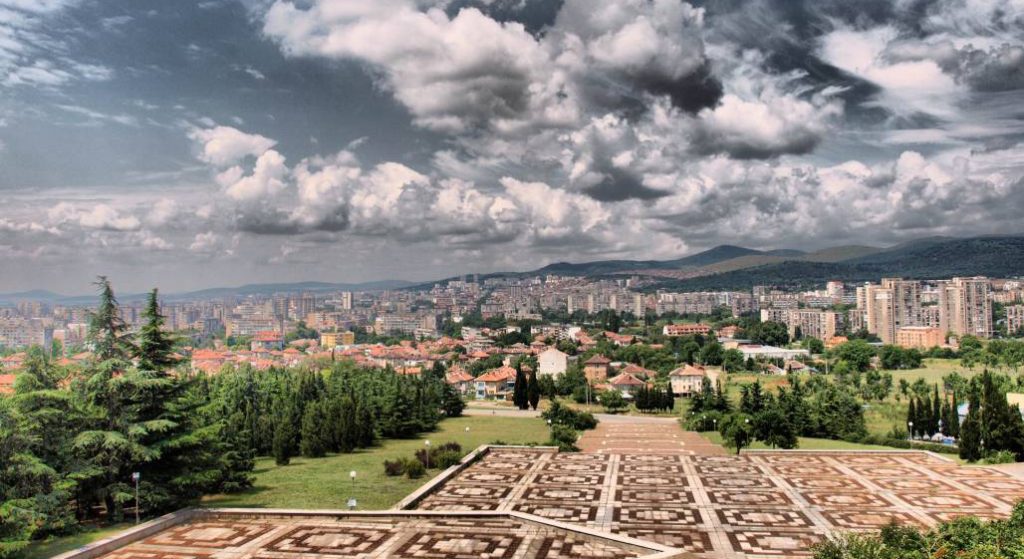
Income and standard of living
For 2019, the average annual salary reaches BGN 13,190. The growth of 8% is similar to the average for the national economy and is accompanied by an increase in income.
The relatively high incomes of the population and the significant amount of GDP in the district lead to poverty reduction.
Labor market
The development of the labor market in Stara Zagora is impressive:
- The unemployment rate is only 2.3%
- The average annual employment rate of the working-age population reaches 71% compared to the average level of 67.6%
- Economic activity is as high as 72.7%
Interestingly, despite the presence of universities in the district, the share of people with higher education in the workforce is only 19%. This is one of the lowest in the country. On the other hand, people with secondary education are about 63%. The district is a leader in production.
Infrastructure
The central location of Stara Zagora district and the flat terrain allow the rapid development of road and railway infrastructure.
The density of the road network is at the level of the national averages, and the share of motorways and first-class roads is extremely high – 28.6% compared to an average of 18.4% for the whole of Bulgaria. The good quality road surface is around the average level for the country of 40.5%.
Local taxes
Local tax levels are among the lowest in the country. This creates favorable conditions for business development.
The average rate of the tax on non-residential property of legal entities is the lowest of all districts in the country. The tax on the transfer of property for consideration and the tax on the taxi transport of passengers is also lower than the average.
Demographics
Unfortunately, the population in Stara Zagora district continues to decrease and age. The natural growth rate drops to -7.3 ‰ and is slightly below the national average of -6.5 ‰. Mechanical growth has deteriorated over the past five years and reaches -1.2 ‰.
The age dependence of the population in the district has slightly increased in recent years, although at a slower pace than the national average.
Education
There are 121 schools in the district. Some of the best among them are:
- Romain Rolland High School for Teaching Foreign Languages
- Knyaz Simeon Tarnovski High School of Commerce
- Geo Milev High School of Natural Sciences and Mathematics
The preparation of the students and their successful performance in the exams are above the national average.
Thracian University is located in the city of Stara Zagora. This is the most prestigious university in veterinary medicine in the country. In 2018, the number of students in higher education per 1,000 population remains stable at an average of 16 people, or half the national average.
Healthcare
There are 14 hospitals in Stara Zagora district, and the quality of healthcare is very high. One of the reasons is the existence of a medical faculty within the Thracian University.
In 2019, the infant mortality rate dropped to 6.5 from 9.5 ‰. The provision with specialist doctors is at a good level, as one specialist serves 447 people, compared to the national average of 424. There are 1471 general practitioners per person, compared to the national average of 1673.
Order and security
The number of registered crimes decreased and the share of detected crimes was 54.7%.
Environment
The state of the environment is negatively affected by enterprises. Atmospheric CO2 emissions and the amount of household waste per person are increasing.
Access to sewerage in the district is provided for 71.9% of the population, as 61.6% of the population has access to sewerage connected to treatment plants.
Culture
The cultural life in the district is developing and in the district there are:
- 10 museums that attract a large number of visitors
- 5 theaters and many theatrical and opera productions
- 3 movies theater
- 2 libraries
Plovdiv
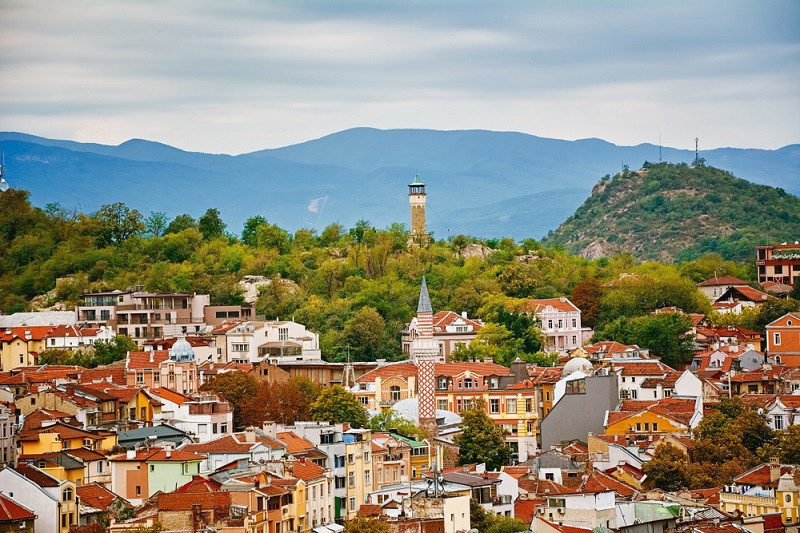
Income and standard of living
However, the district has lower incomes compared to other leading economic centers, and the indicators of poverty and material deprivation are around average.
The GDP per capita in Plovdiv is approximately BGN 12,112 / person, and the average gross annual salary is BGN 11,780.
Plovdiv is among the districts with a relatively high share of the population living in material deprivation – about 23%, compared to the national average of 21%. Due to the good conditions on the labor market, the share of the population living below the poverty line is very low – below 20%.
Labor market
The labor market in Plovdiv provides some of the best conditions in the country, as the district has low unemployment and high employment.
The rapid development of the processing industry in Plovdiv leads to a very good performance in the labor market since the crisis. The unemployment rate is 3.6% and employment is 69.9%.
The share of the working population with higher education is also below average – 27% for the age group from 25 to 64 years, but given the industrial profile of Plovdiv this is not as big an obstacle as in other areas.
Investment and economics
Investments, especially in industry, are significant and the production is above the national average. However, compared to other areas, the absorption of European funds is relatively weak.
Infrastructure
Plovdiv has a good infrastructure, especially in railway transport, and the quality of the roads is high. The Trakia highway also passes through the territory of Plovdiv.
About 50% of the roads in the area are in good condition. The share of households with broadband internet access will increase significantly to 74.4% in 2018 and is above the national average
Local taxes
The municipalities in the Plovdiv district have relatively high local taxes. Closer to the average value is the patent tax for retail trade – BGN 13.1 / sq.m. There is a slight decrease in the average value of the tax on motor vehicles to BGN 1.39 / kW. The trend in real estate taxes is also increasing, as in 2018 their value for legal entities is 2.01 ‰.
Demographics
Here Plovdiv is performing very well!
Plovdiv is the fourth district in Bulgaria with positive migration processes. In 2018, the coefficient of mechanical growth in it is 3.1 ‰, and it remains positive throughout the period after the economic crisis.
Like all other districts, the natural growth of Plovdiv is negative but slightly higher than the national average of 5.2 ‰. Among the demographic features of Plovdiv is the high concentration of the population in the cities – 76% of them live in urban areas.
Education
There are significantly fewer teachers in secondary education in Plovdiv – an average of 78 teachers per 1,000 students compared to 84 per 1,000 in the country as a whole, but this ratio has been gradually improving in recent years. The smaller number of teachers does not visibly affect the achievements of students in the field. On the contrary, they traditionally rank in the top places in the country of matriculation exams.
The average grade of the state matriculation exams in BEL is the third highest in the country, and the share of poor grades is only 7.2%.
Thanks to the nine universities in the district, there is a large number of students – 51 per 1,000 people, and a higher concentration is observed only in Sofia and Veliko Tarnovo.
Healthcare
The district is one of the three leaders in terms of the quality of healthcare. There are many doctors (both general practitioners and specialists) and access is easier:
- There are 1571 people per general practitioner
- There are 373 people per specialist in a leading specialty
The number of beds in the hospital is also large – 7.8 per 1000 people. 87.1% of the population of the district has health insurance.
Order and security
Plovdiv district is a safe place to live. The judicial system is characterized by fast work and close to the average for the country detection of crimes. The registered crimes are below the national average and tend to decrease.
Environment
Plovdiv is one of the highly developed districts, where the amount of household waste and greenhouse gas emissions is below or around the average amount for the country.
Culture
Various cultural events are held in Plovdiv all year round! Rock concerts, movies, and literary nights and whatnot.
The number of museums in the municipality is 12, you can find a cinema in every mall, and theaters and libraries are also not to be missed.
Sofia

Income and standard of living
The capital has the highest GDP per capita in the country – over BGN 31,000 / person, or more than twice the national average. This concentration of economic activity brings Sofia closer to the average European levels of GDP per capita, taking into account the differences in purchasing power.
Salaries are just as high – about BGN 18,000 or over 38% more than the national average. The good standard of living in Sofia is also evident in the low share of the population living in material deprivation:
- 12.2% in 2018, twice less than the national average
- 8.8% of the population below the poverty line
Labor market
Unemployment is 2.1% and is already on the verge of “natural” unemployment. The employment rate of the population aged 15-64 is approximately 77% and is approaching the economically strongest regions in the European Union.
The ratio of the population aged 15 to 19 to that between 60 and 64 is 72.4%. More than half of the working age population has higher education, and that with primary and lower education is less than 5%.
Investment and economics
Sofia is a leader in investment activity. The district has the largest number of enterprises per capita and the number continues to grow.
Infrastructure
There are no roads in the national road network in Sofia, but its territory is bordered by several highways. Sofia Railway Station is a major railway junction in the country and the density of the railway network in the capital is well above average – 12.8 km / 100 sq. Km territory at 3.6 km / 100 sq. Km in the country. The share of households with high-speed internet access is 83% and continues to increase.
Local taxes
Local taxes are one of the capital’s weaknesses in the rankings. They are mainly a consequence of the high tax for taxi transportation, which amounts to BGN 850 per year, and the patent tax for retail trade – BGN 20 / sq.m. The amount of the other three local taxes is very close to the average.
Administration
The cadastral map of Sofia is practically completed, as the latest data show over 99% coverage of the territory. However, the self-assessment of e-government in the municipality has decreased by one unit in the last year to 3 out of a possible 5 points. The rating of the active transparency of the local self-government bodies is 77%.
Demographics
Sofia is one of the areas with positive migration processes, and the city is among the main centers attracting daily labor migration.
The natural increase is negative, but it is the most favorable in the country (-1.9 ‰). The district has the best coefficients of demographic substitution, as for every 100 people in the age group from 0 to 14 there are 119 in this over 65 years against the background of 148 on average for the country.
Sofia is almost completely urbanized – 95.6% of its territory – and, as expected, the density of its urban part is very high, reaching 4890 people / sq. Km.
Education
Most of the best schools and universities in the country are located in Sofia. The capital reported 73 students per 1,000 population in 2018, but the number is gradually declining due to demographic processes.
The educational achievements of the students in Sofia are the best for the country, as the main competitors are Plovdiv and Stara Zagora.
Students traditionally achieve the highest average success in the matriculation exams, as the average grade in BEL in 2019 is “very good” 4.53 compared to the average “good” 4.06 for the country. The share of poor grades in the matriculation exam is also extremely low.
Healthcare
The capital has a high number of specialist doctors – 354 people per doctor on average in 2018, and only Pleven performs better on this indicator.
The number of patients served by an average general practitioner is 1,665 and is gradually increasing.
The share of health insured is about 88%, with more than a percentage below the national average. Access to hospital services is gradually improving and there is significant investment in rehabilitation and construction of new hospitals.
The incidence, measured by the number of patients treated at the hospital, is close to the average – 165 per 1000 population.
Know that the capital’s medical institutions attract many patients outside the district!
The infant mortality rate is also very low – 2.7 ‰ compared to 5.8 ‰ on average for the country.
Order and security
On a scale of 1 to 5 here Sofia gets an unsatisfactory 1 point. The main reason is the high workload of the capital’s courts. Although Sofia is improving its results, the share of criminal cases completed within 3 months remains lower than the national average, and the share of pending cases is higher.
The registered crimes against the person and the property are far above the average, as the district is on the third place in Bulgaria, and the detection rate is the lowest after the one in Varna.
Environment
The amount of generated household waste in Sofia is the second largest in the country above the national average after Gabrovo district. The trend is towards growth due to the growing incomes and the increase of the working age population.
Atmospheric air purity is critically low.
The entire population has access to public sewerage, including one connected to a treatment plant – over 96% coverage on both indicators, which is the highest for the country.
Culture
Sofia ranks first in the country in the development of cultural life. Visits to cinemas and theaters are the most. The number of visits to the libraries is also high – 1376, but here the capital remains well behind Veliko Tarnovo. There is less interest in museums in the area.
Final ranking
The decisive moment of our ranking “Top 6 Bulgarian cities” has come. After a detailed analysis of the presented information (and a quick reference to the development indicators) we came to the following conclusion:
Sixth place is awarded to Veliko Tarnovo with its developed cultural and social environment.
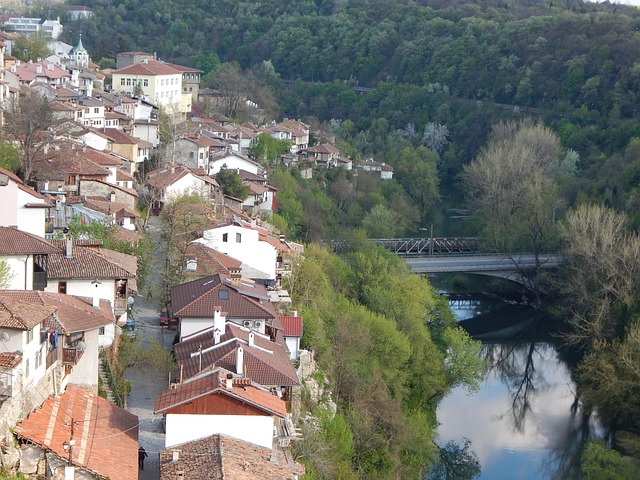
A wonderful tourist center with a rich history and a well-developed economy for the country
Burgas ranks fifth in the ranking with its economy and demographics.

The city lags behind in terms of the quality of education and high local taxes, but the highly developed economy and labor market undoubtedly surpass Tarnovo.
The fourth place is taken by Plovdiv!
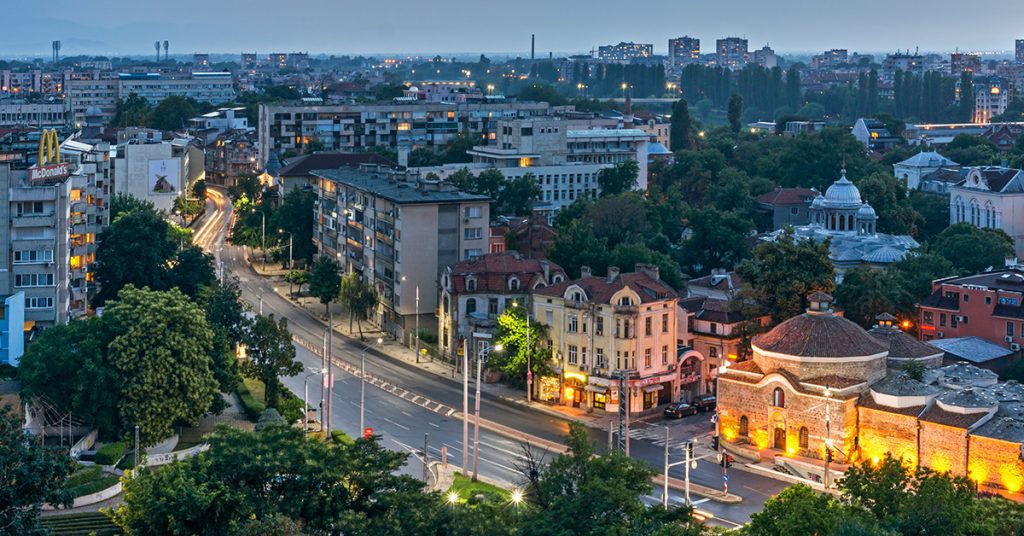
A very strong economy with favorable incomes and living conditions. The area with the second-best labor market and high concentration of investment. Taxes and administration harm the overall economic development, but we believe that next year Plovdiv will climb to the top 2 positions in the ranking.
We can safely conclude that social development is assessed with the maximum number of points out of all 5 possible. People have access to the highest quality of healthcare and education. Cultural life is developing in the district, and the state of the environment is entering healthy norms with below-average pollution. Children and adolescents can walk peacefully in the parks without fear for their parents due to well-developed security and justice.
Foreigner.bg is pleased to award the third prize to Varna
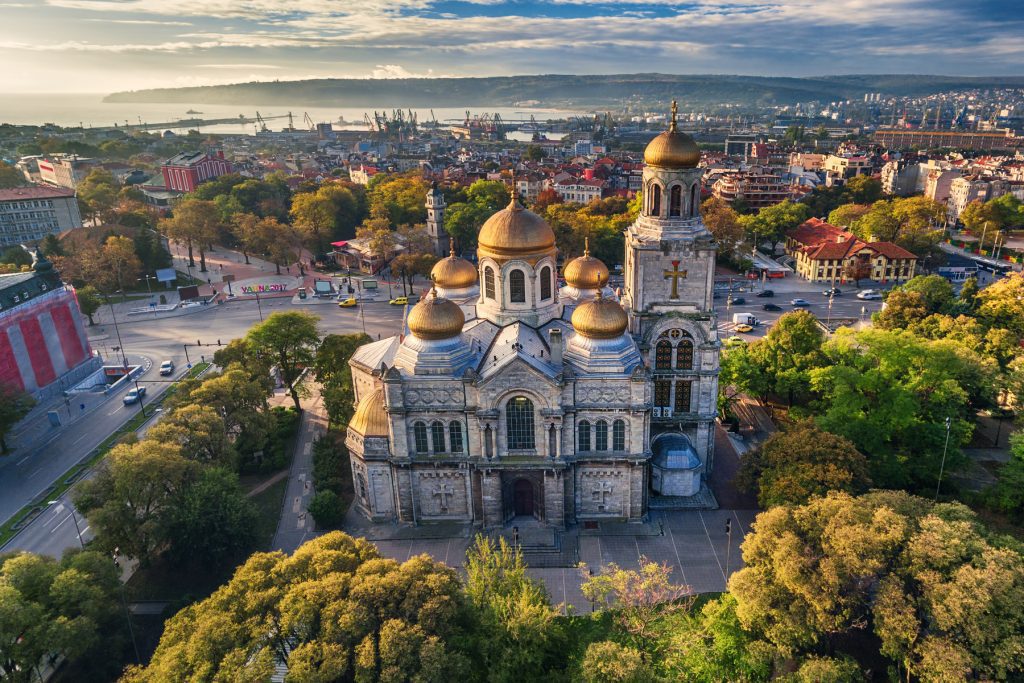
In economic terms, all indicators are above the average for Bulgaria. Varna is the weakest only in the category of ‘Local taxes’, which slow down the pace of development.
The social development of the district is almost unsurpassed (almost). The failure of judges and the low levels of security has a negative impact. Hopefully, things will change in the future and there’ll be justice for all!
Applause for the second place – Stara Zagora!
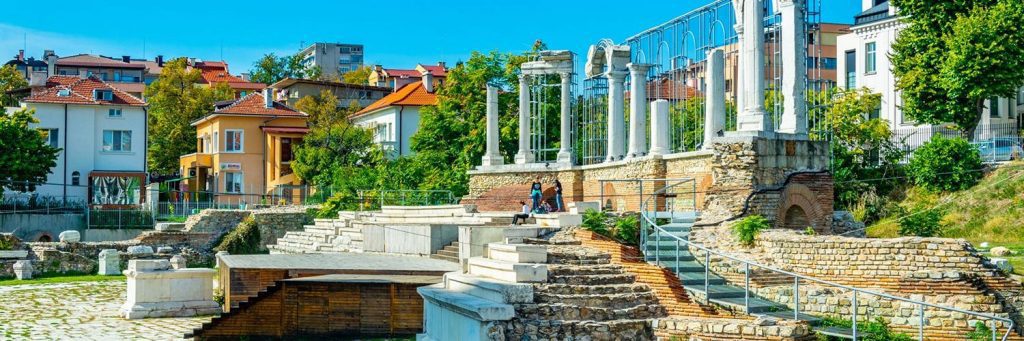
With almost maximum results in all indicators, Stara Zagora is positioned as the second best Bulgarian city to live in. With one point ahead of Varna due to its impeccable economic development, Stara Zagora fails only in terms of environmental protection.
Fortunately, municipalities are executing projects to improve the ecological condition of the district, and many volunteers from the Thracian University are actively involved in wildlife conservation.
And the undisputed winner is… Sofia!
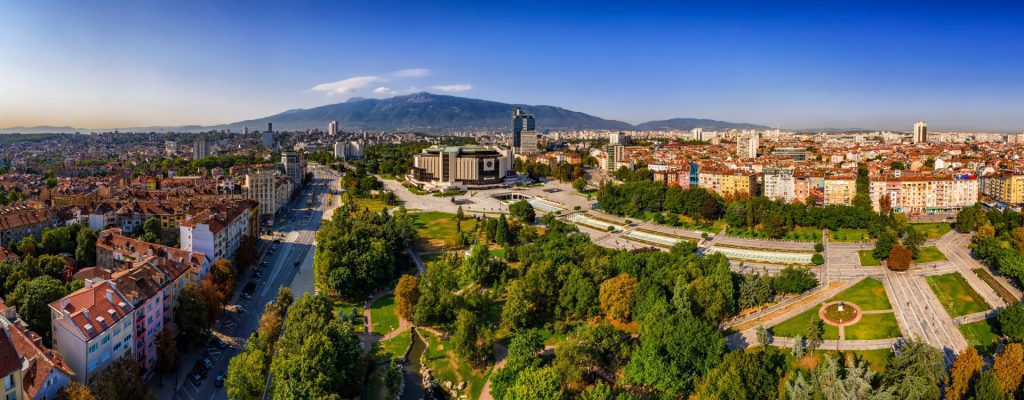
The capital is the most economically developed area in
the country. The gross domestic product per capita exceeds twice the national average, and household wages and incomes are more than 1/3 higher.
Unemployment is at a record low and employment exceeds 75%. The workforce is well-educated thanks to the high quality of education in schools.
One of the few drawbacks are the high local taxes, especially on retail and taxi services, and the higher crime rates.
Thank you for attending our digital summit!
Share your thoughts and expertise in the comments. We’d love to gather additional insights from you!
Sources:
National Statistical Institute
Ministry of Environment and Water
Ministry of Education and Science