June 17, 2019
To start understanding Bulgarian mentality, think first of greatness or maybe eminence. Believe us, and it’s not a joke!
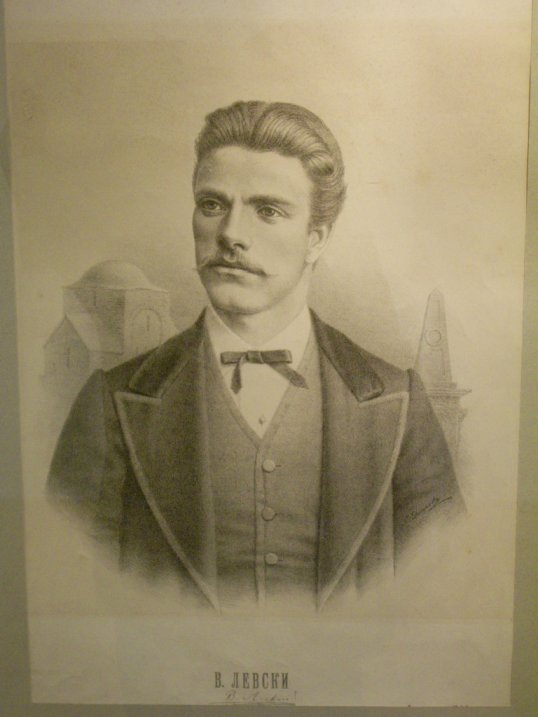
A few years ago, one of Bulgaria’s best contemporary writers, Milen Ruskov, received the European Prize for Literature in Brussels for his novel Eminence.
Mixing up comic and tragic scenes, with a pinch of love, beauty, sarcasm, sorrow, empathy, pride, prejudice, heroism, mysticism, endurance, prudence, shrewdness, pointless eloquence, the strength of character, bravery, rebels, moaning, laziness, joyfulness and sometimes a combination of sublimity and naivety…
Bulgarian mentality is a whole universe.
Bulgarians, their ancestors included, have lived on the Balkans for thousands of years. Of course, some of them came from Asia – the Slavs, Proto Bulgarians which made part of the Huns empire and a bunch of other tribes, more than you can imagine.
So what?
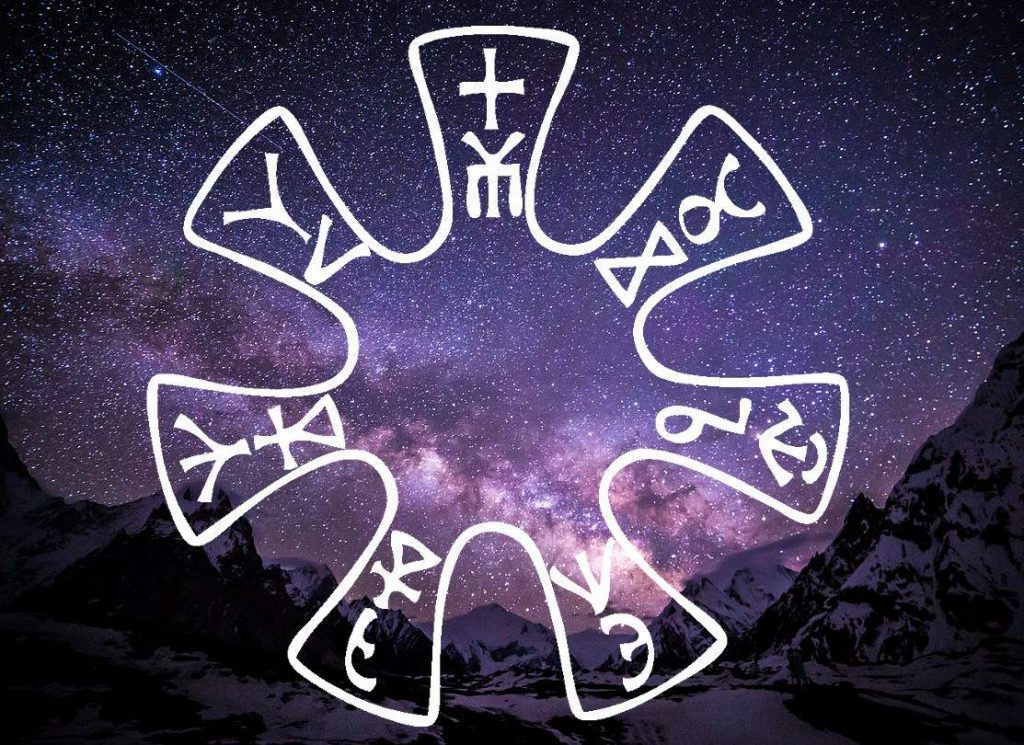
The “what” is the Proto-Bulgarian calendar – the oldest in the world, recognized by UNESCO. According to it, we are now in the year 7526. Modern Bulgarians are very proud of it, nowadays they use of course Gregorian. Yet, when it comes down to holidays, Bulgarians celebrate twice – in both Gregorian and Julian style.
And also, they successfully adopt a lot of foreign festive days or part of them, especially if they like them. Halloween and Saint Valentine’s day are a perfect modern example of it. Bulgarians are really good in this kind of assimilation and have a special word about this – pobulgaryavane.
That means something is done in a long-established Bulgarian manner. For them, adoption of “the other and the others” is the way their culture is survived during the centuries.
Because of that Bulgarian mentality is a complex of almost everything – pagan beliefs, traditions from everywhere, atheism, skepticism, intuition, rumors, fake news, both waiting for a messiah and self-sufficiency, and obviously a pinch of practicality. Bulgarians have traveled the world.
National holidays, official holidays, birthdays, name days – especially name days, you name it… Bulgarians simply love holidays. Very often they need no occasion to celebrate.
A call or two is just enough to gather a party. Spontaneity is very typical for them, and so is the willingness to invite or help someone. Winter months -December, January, and February are really the best time of the year to indulge in the favorite Bulgarian pastime – celebrating name day.
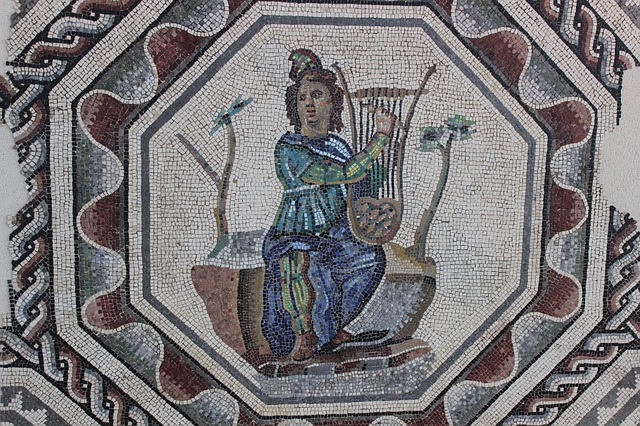
Orpheus
Have you ever heard about Spartacus or Orpheus? History says they are heroes of Thrace. However, Bulgarians consider themselves descendants of the Thracians, therefore both Spartacus and Orpheus must have been something like ancient Bulgarians! No objections accepted!
The same situation is with John Atanasoff who invented the first electronic digital computer. His father was Bulgarian, so in Bulgaria, he also is known as “the father of the computer”. And he is Bulgarian of course.
Cool, eh?
In fact, modern science has proven that present-day Bulgarians carry genes of Thracians and Proto-Bulgarians, not of Slavs and in brief, they represent an ancient civilization that has left plenty of heritage in the Balkans, including amazing gold treasures from the age of Classical Antiquity. Bulgaria also ranks third in Europe for the number of its valuable archeological monuments after Italy and Greece.
That’s why treasures ranked next to Orpheus and Spartacus in the ladder of Bulgarian national dignity.
Why we talk about history?
In general, Bulgarians cater to the past. The elder even lives in the past. Outside big cities time seems like standing still and people there live in a bizarre sensation of ‘why-worry’ timelessness. You feel like in the early 70s, late 50s or something similar.
Difficult to understand, but true.
The back side of these feeling is quite positive – calmness, nice energy, hospitality, people ready to tell you, to explain you, to show you, to invite you, to share their dinner or drink with you without asking your money. You may taste the best vegetables in Europe there, or almost the best – bio or maybe” from the grandma’s garden”. It’s gorgeous.
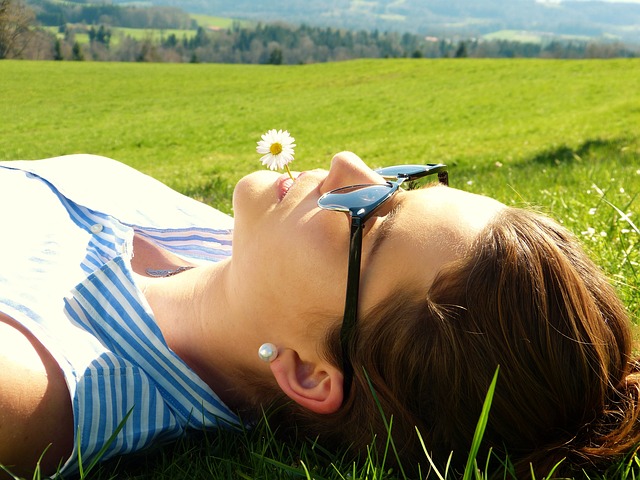
Dreaming already?
Far from urban life in Bulgaria, you may find incredible people with really incredible stories. So, remember, If you go outside cities don’t forget to visit the village pub. And listen to elders!
Maybe the best example is “For the fifth rakia” by Georgi Bardarov – the most read story in Bulgarian web space in last few years, describing the magic of the Rhodope mountains and people living there and the moment of life when sharing the drink somewhere in timelessness means receiving a best friend forever.
Your visit or residence in Bulgaria looks like establishing a fellowship of friends.
Bulgarian philosophy of life is summarized in conception “Ej sega”. It’s similar to “ Just a second”, but not really the same. “Ej sega” demonstrates how Bulgarians accept the time category – starting in the moment of speaking and continuing to the infinity.
It may take a minute or 20 years. Sometimes it could madden even the most tolerant man or woman in the world, especially if you hurry, but most of the time it gives a special charm to Bulgarians.
Don’t curse them!
As every southern nation, Bulgarians like the joy of life and think in timelessness. Some people describe it as practicing “Aylayk” – the ability to do nothing and don’t worry at all. If it is written to happen, it will be somehow. One day. No matter how and when.
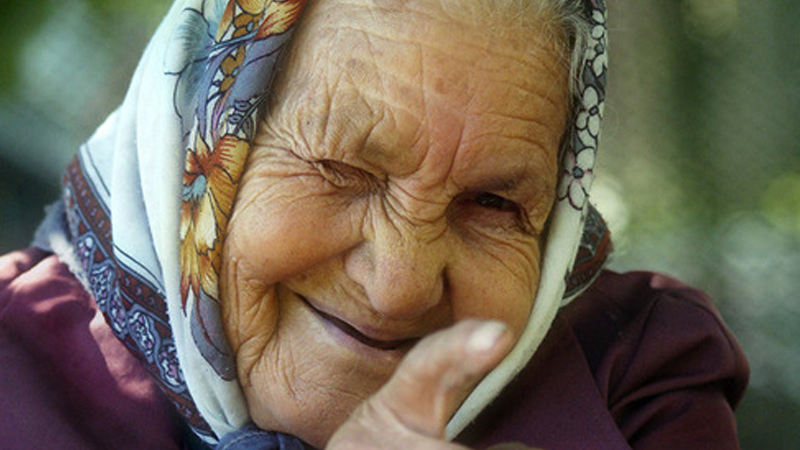
So, do you remember as we start to talk about granny? According to Bulgarian mentality “granny” is an institution. If you have granny, you have everything. Not only because, if you are a child, your Bulgarian granny will also permit to do almost everything and may do almost all in life. But because granny has really significant role in growing up of the children. Of course, nowadays there are numerous modern granny like in United States or Germany, but who cares? Granny is number one.
Hardly comprehensible is Bulgarians’ head gesture for consent or denial. You nod for yes and twist for no. Bulgarians just do it the other way round. That very fact makes them hard to translate and strange to comprehend. But, it could be funny, if you ask someone to confirm that you follow the right direction.
More about directions in Bulgarian mentality to be continued in part two.