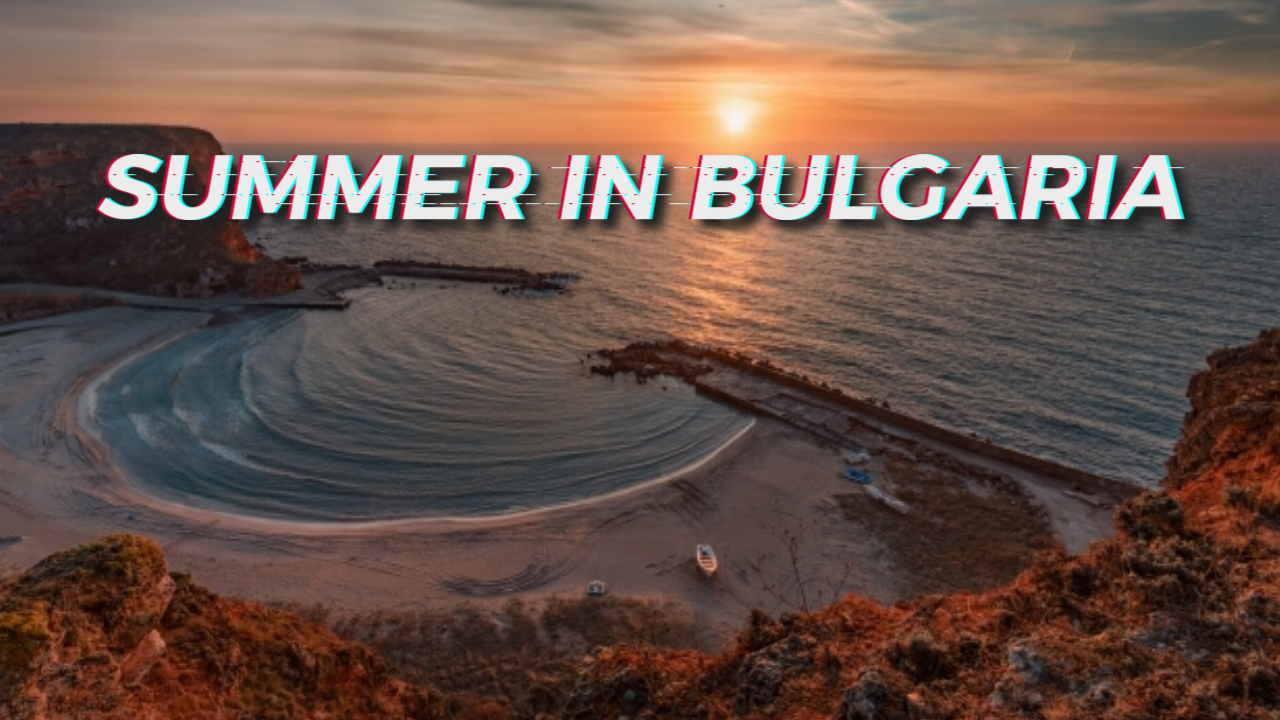
Finally, Summer is here!
In these days traveling is getting easier, people have the opportunity to visit new places and countries like never before, but also the time to be spent in each place has been reduced over the years, that’s why we have created this list to help you in the difficult task of selecting places to visit in your Bulgarian vacation. This time we want to go with a different approach and make a list of places less know for mainstream tourism, but that definitely deserves a visit and can become the shining stars of your Bulgarian trip.
Bulgaria is bordered by Romania to the north, Serbia, and Macedonia to the west, Greece, and Turkey to the south, and the Black Sea to the east. Its location at the crossroads of Europe and Asia has undeniably influenced the customs, gastronomy, and history of its people. Bulgaria has been home to great civilizations including the Thracians, Greeks, and Romans.
1. Hisarya
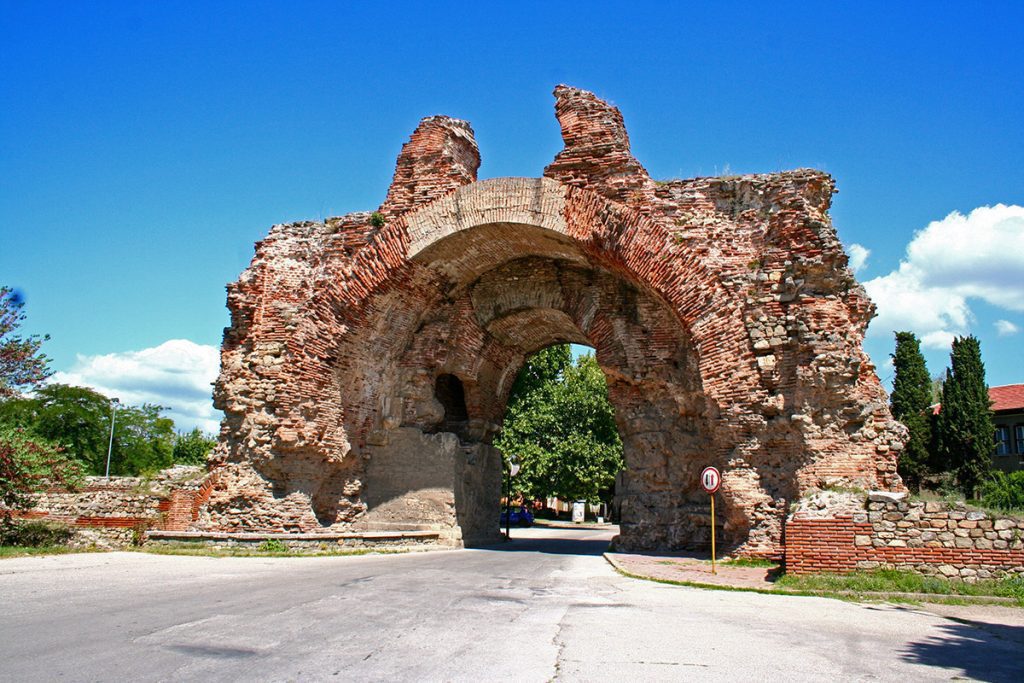
Hisarya Southern gates
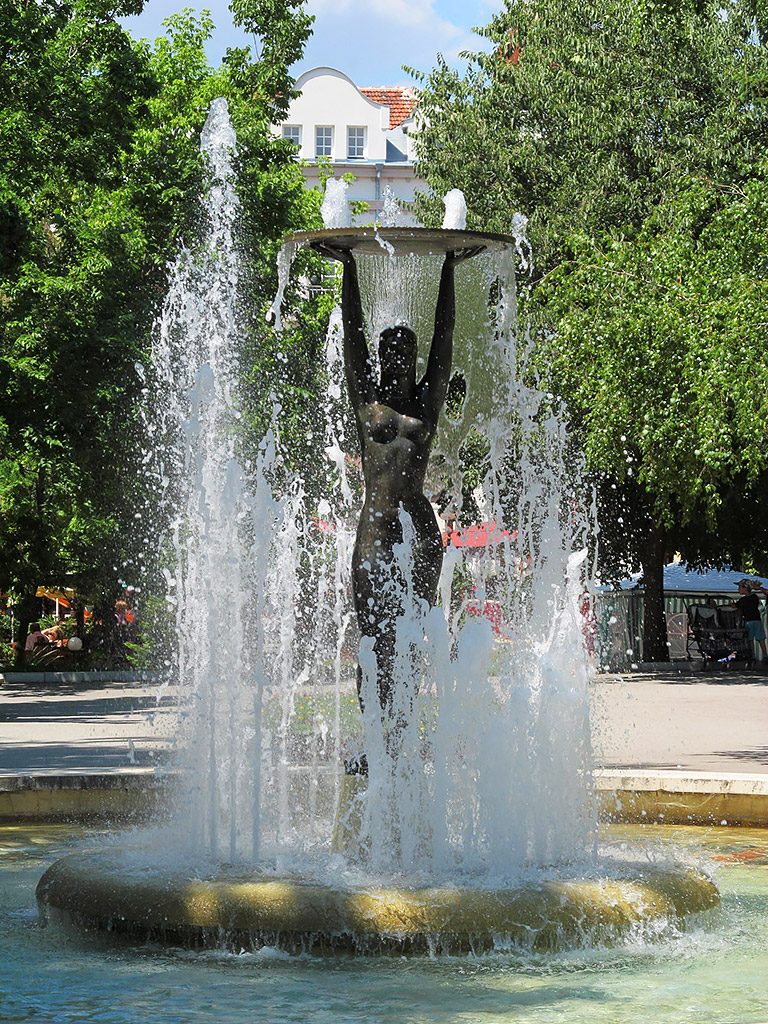
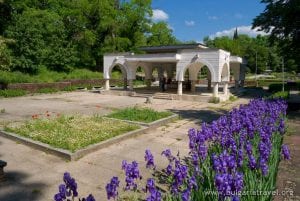
Maiden Spring fountain
Is situated in Central Bulgaria, 40 km north of Plovdiv and approximately 180 km east of Sofia. Hisarya (Hisar means fort or castle in the Turkish language) is famous for its healing mineral waters: 16 natural mineral springs and 6 drilled mineral water wells. The town is one of the oldest and most popular balneological and spa centers in Bulgaria
It is notable for the impressive remains of the ancient Roman city of Diocletianopolis, the enormous walls of which still stand close to their original height for the majority of their circuit. The ancient city lies largely unencumbered by the adjacent modern town, in green parkland full of birdsong. In the center of the park are still over two dozen hot mineral springs.
2- Koprivshtitsa
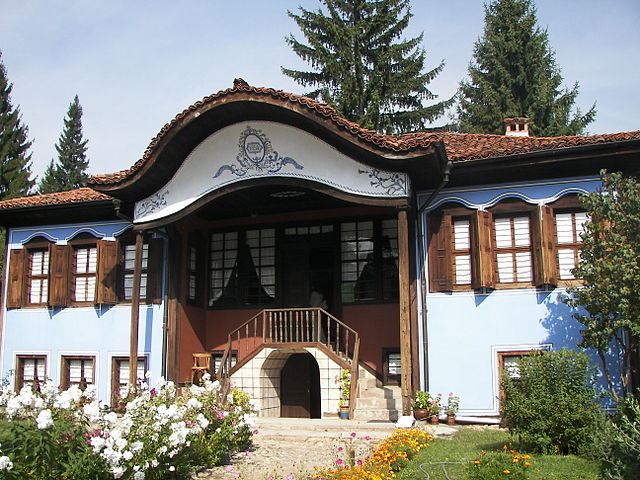
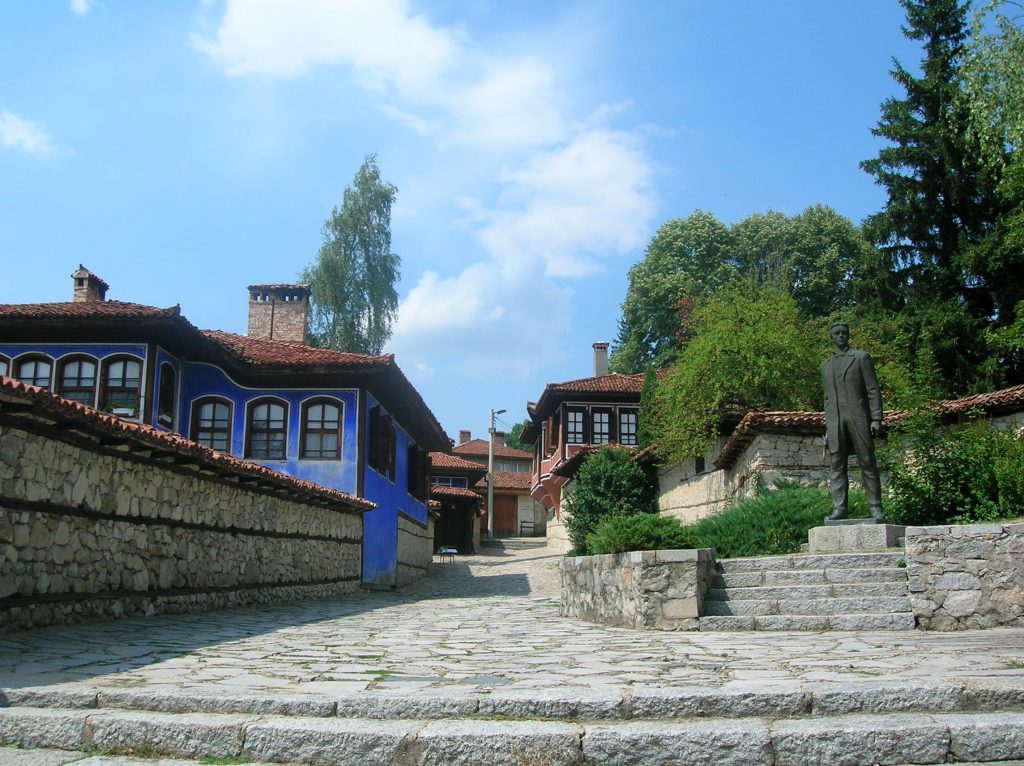
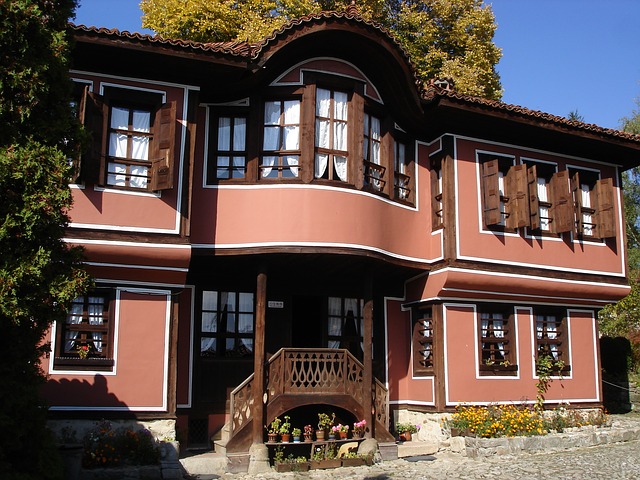
Koprivshtitsa is one of the most characteristic Bulgarian towns, still preserving the atmosphere of the Bulgarian National Revival period of the 19th century. The town is huddled in the mountain-folds, 111 km east of Sofia. The town boasts a large number of architectural monuments from the period, 383 in all, most of which have been restored to their original appearance. Collections of ethnographical treasures, old weapons, National Revival works of art, fine fretwork, household weaves and embroidery, national costumes and typical Bulgarian jewelry have also been preserved. It was here that the first shot of the April Uprising against the Ottoman domination was fired in 1876.
3- Balchik
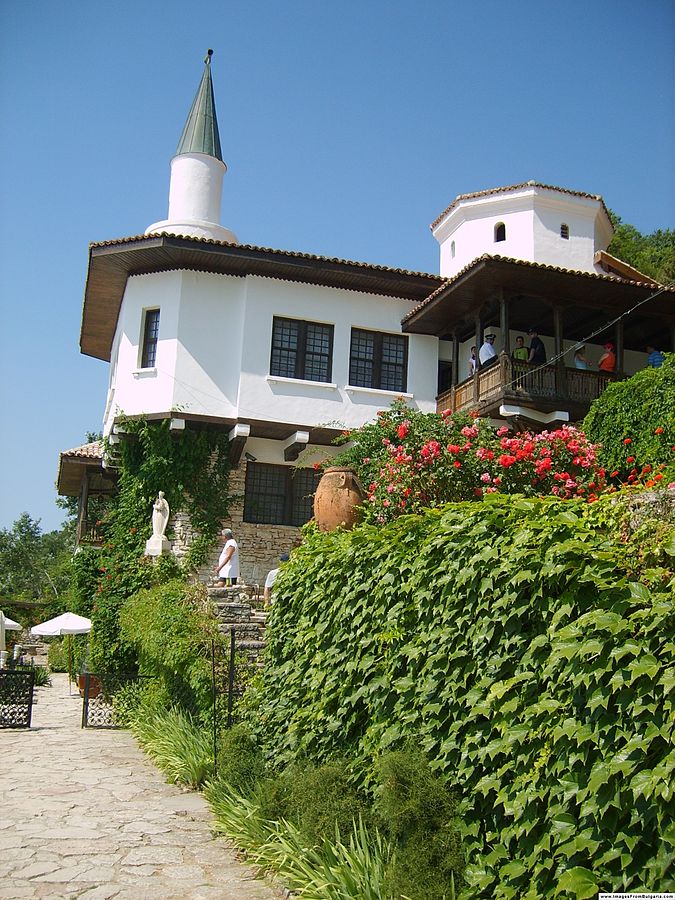
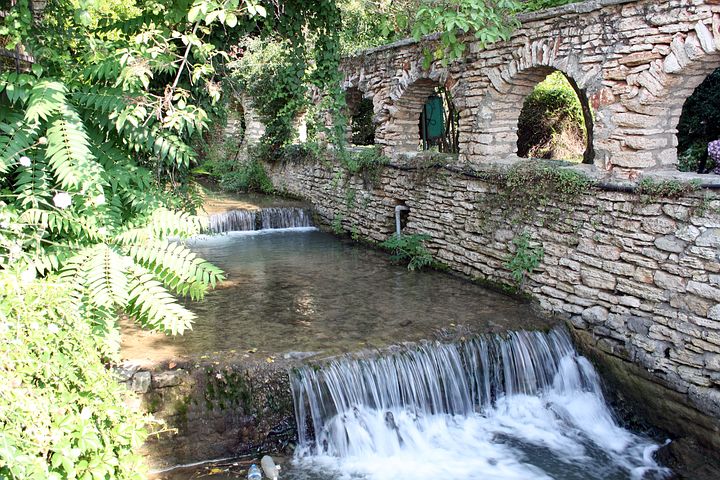
Balchik Waterfall
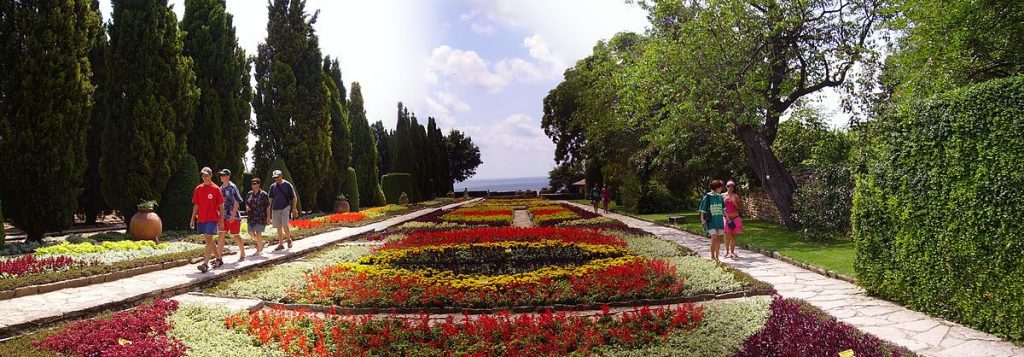
Is a Black Sea coastal town and seaside resort in the Southern Dobruja area of northeastern Bulgaria. It is located in Dobrich Province and is 42 km northeast of Varna.
The biggest attraction of Balchik is the Quiet Nest Palace. It was constructed between 1926 and 1937, during the Romanian control of the region, for the needs of Queen Marie of Romania.
Apart from being a tourist site, however, “The Palace” is also a cultural center carrying out diverse activities and providing the venue for holding cultural, scientific, educational and other related events
4- Ruse
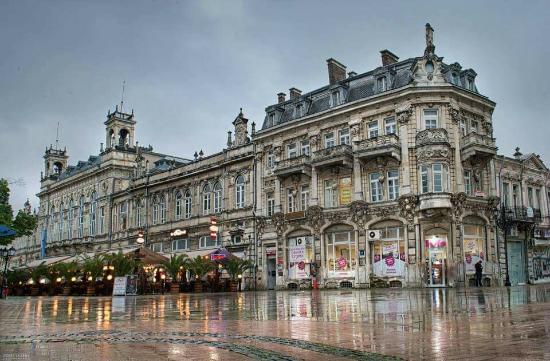
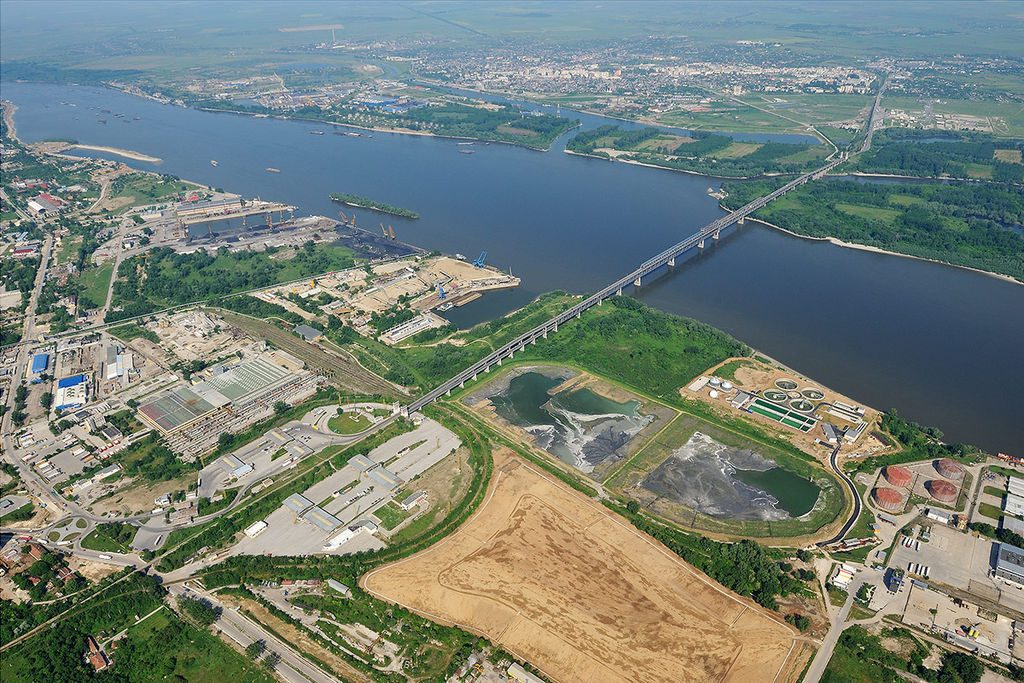
The Danube Bridge
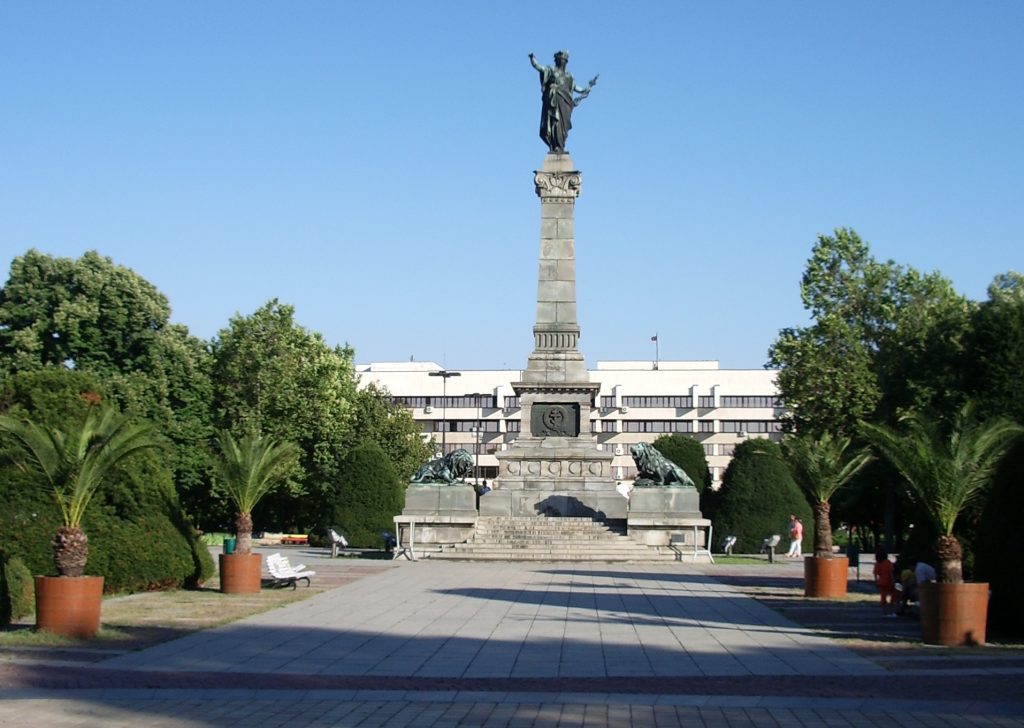
Ruse Monument of Liberty
is in the northeastern part of the country, on the right bank of the Danube, opposite the Romanian city of Giurgiu, approximately 75 km south of Bucharest, Romania’s capital, 200 km from the Bulgarian Black Sea Coast and 300 km from the capital Sofia. It is the most significant Bulgarian river port, serving an important part of the international trade of the country.
Ruse is known for its 19th- and 20th-century Neo-Baroque and Neo-Rococo architecture, which attracts many tourists. It is often called the Little Vienna
5- Belogradchik rocks and fortress
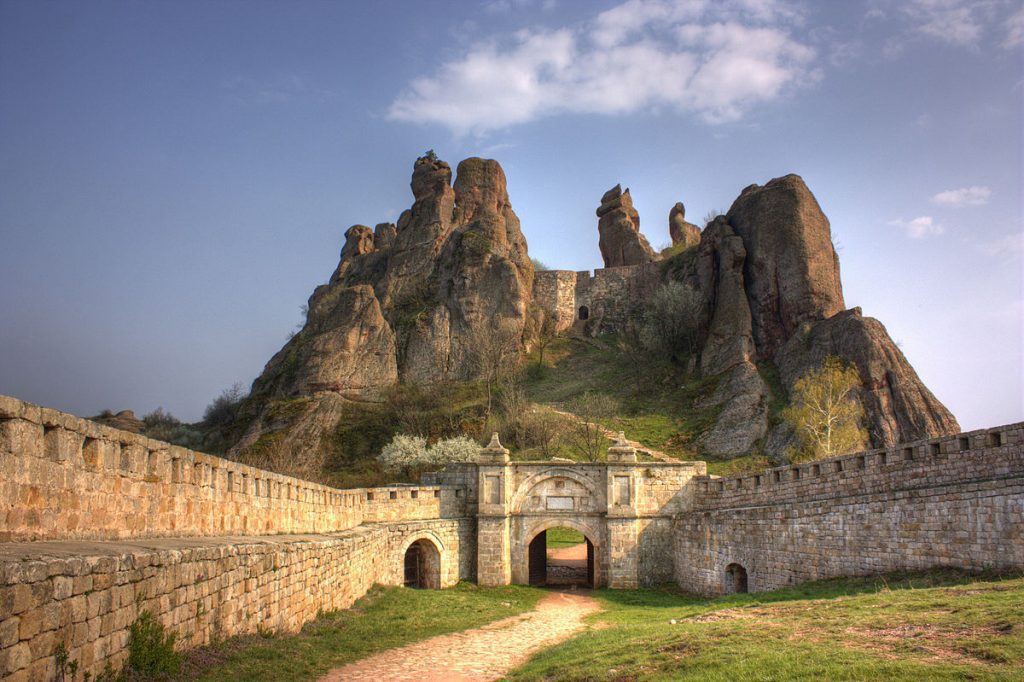
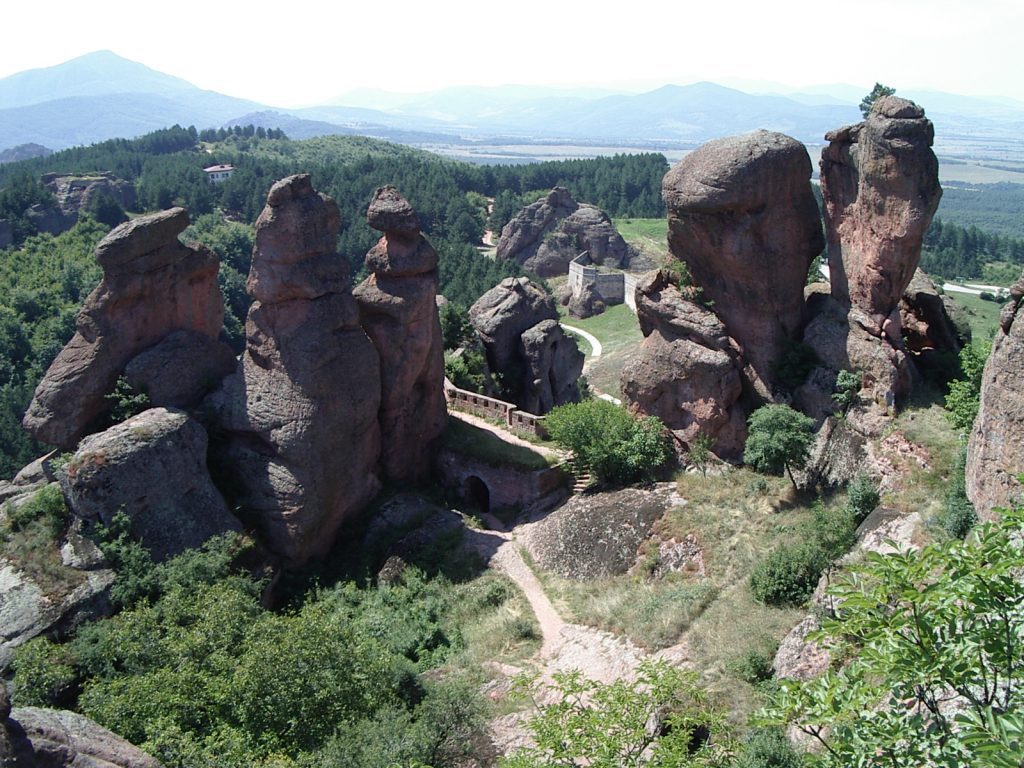
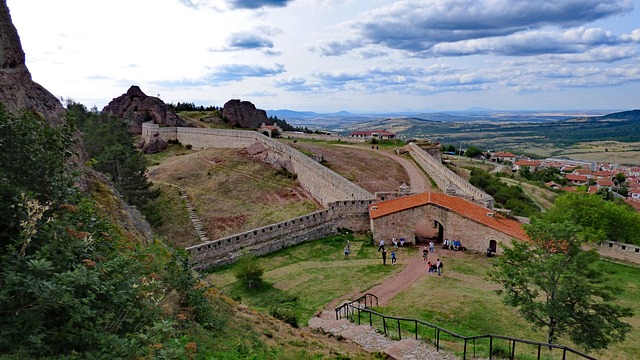
is an ancient fortress located on the north slopes of the Balkan Mountains, close to the northwestern Bulgarian town of Belogradchik and is the town’s primary cultural and historical tourist attraction, drawing, together with the Belogradchik Rocks, the main flow of tourists into the region. It is one of the best-preserved strongholds in Bulgaria and a cultural monument of national importance.
6- Nessebar
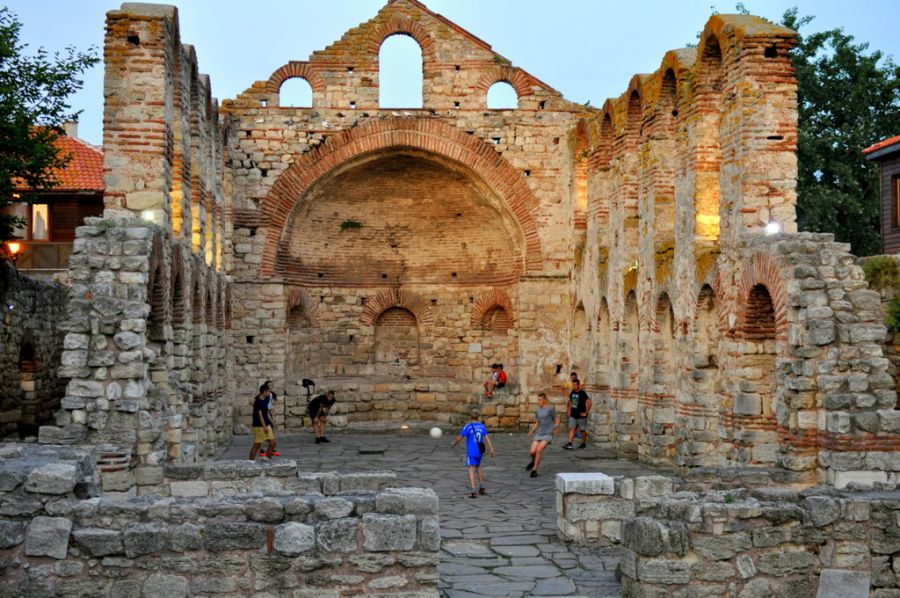
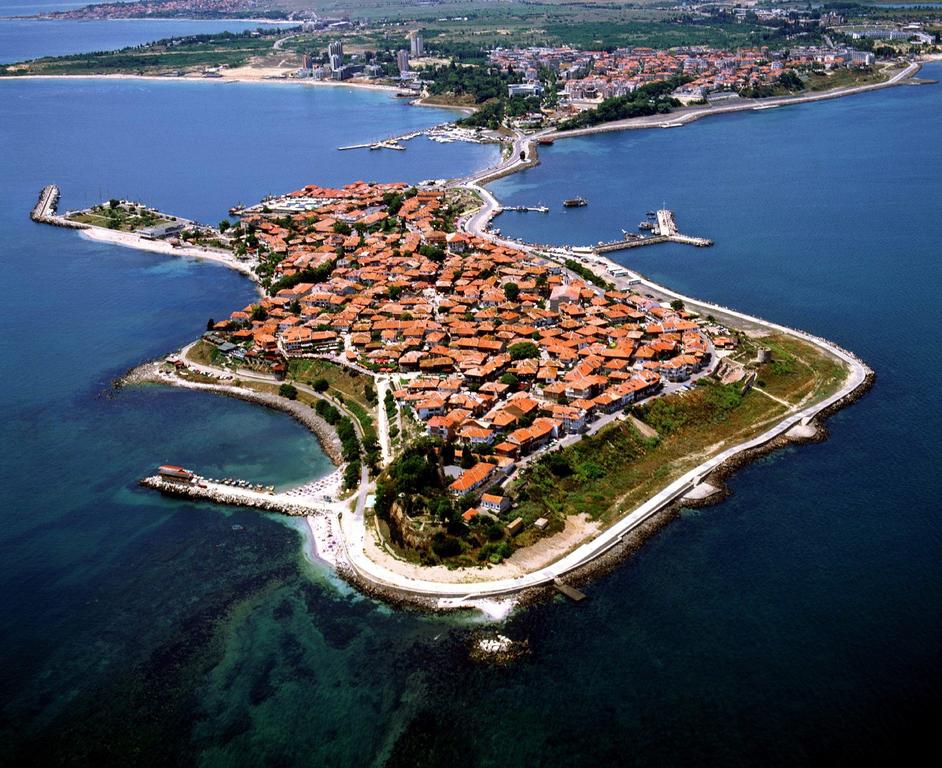
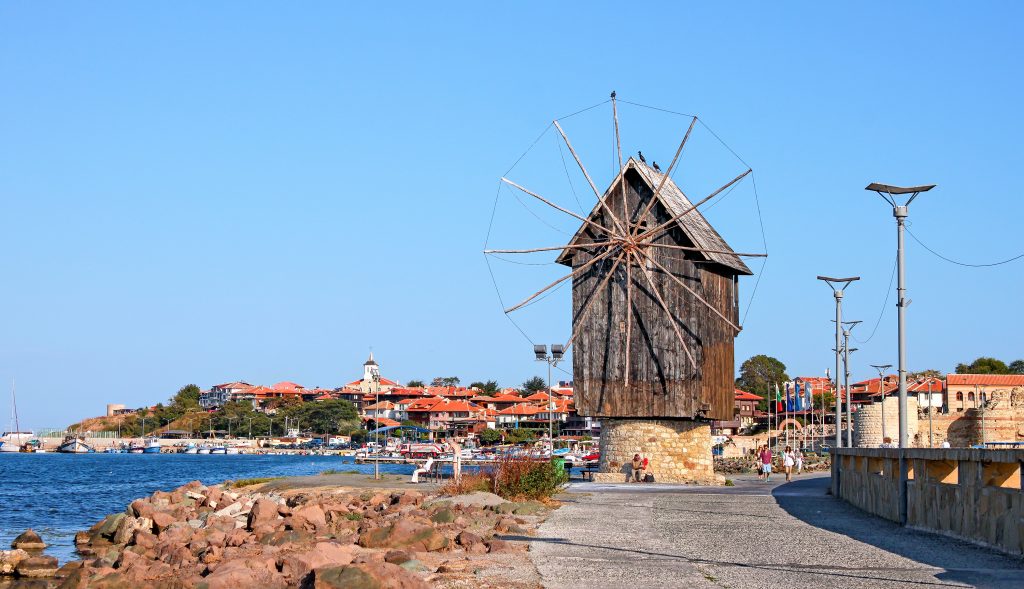
Is an ancient city on the Bulgarian Black Sea Coast, located in Burgas Province.
Often referred to as the “Pearl of the Black Sea“, Nesebar is a rich city-museum defined by more than three millennia of ever-changing history. The small city exists in two parts separated by a narrow man-made isthmus with the ancient part of the settlement on the peninsula (previously an island), and the more modern section (i.e. hotels, later development) on the mainland side. The older part bears evidence of occupation by a variety of different civilizations over the course of its existence. UNESCO came to include Nesebar in its list of World Heritage Sites in 1983.
7- Pirin National Park
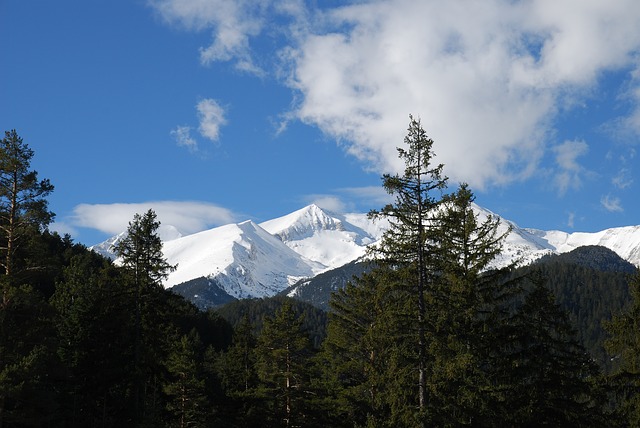
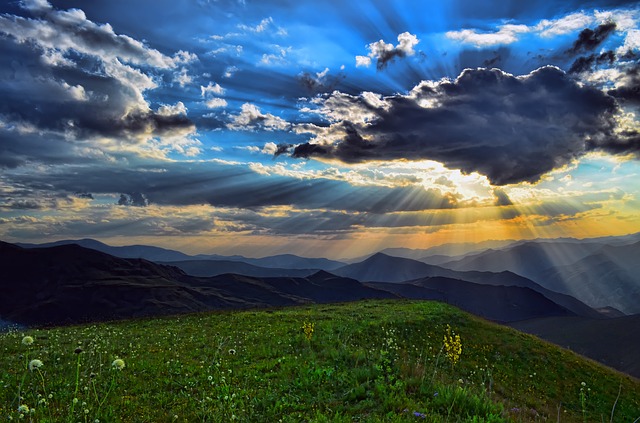
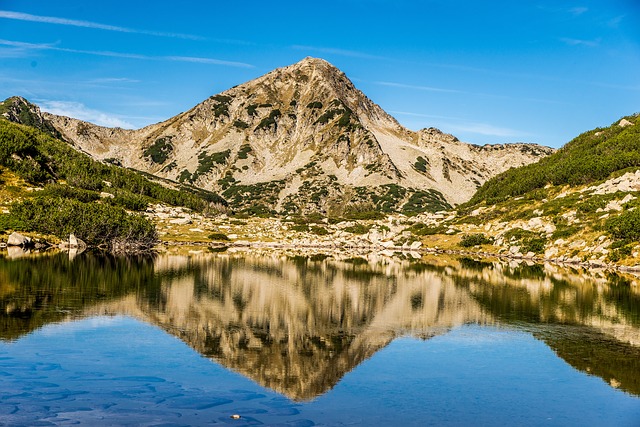
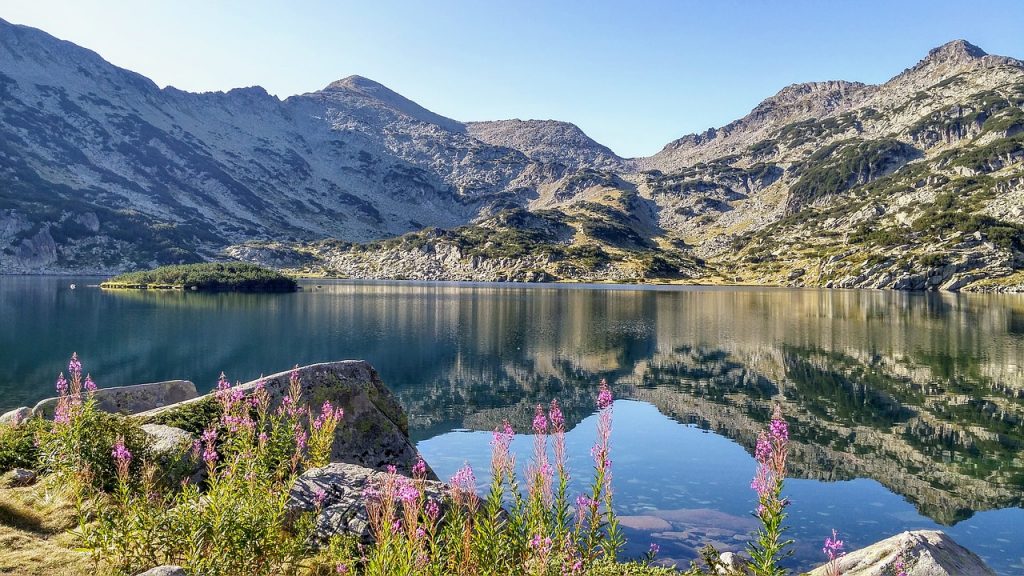
encompasses the larger part of the Pirin Mountains in southwestern Bulgaria, spanning an area of 403.56 km2 (155.82 sq mi). The park was established in 1962 and its territory was expanded several times since then. Pirin National Park was declared a UNESCO World Heritage Site in 1983. The altitude varies from 950 m to 2,914 m at Vihren, Bulgaria’s second highest summit and the Balkans’ third.
Pirin is renowned for its 118 glacial lakes, the largest and the deepest of them being Popovo Lake.
Bulgaria’s oldest tree, Baikushev’s pine, is located in the park. With an approximate age of about 1,300 years, it is a contemporary of the foundation of the Bulgarian state in 681 AD. The fauna of the Pirin National Park is diverse and includes 45 species of mammals, 159 species of birds, 11 species of reptiles, 8 species of amphibia and 6 species of fish.
There are hundreds of other places that could make it into the list, please suggest the ones that we missed this time!