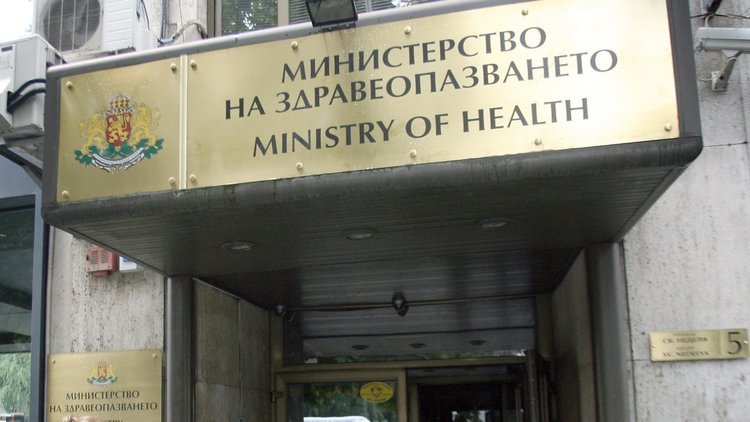
As in most European countries, medical staff in Bulgaria are well trained, but the level of facilities and is not up to the standards of some other EU countries. The Ministry of Health is responsible for the progress, execution and supervision of the National Health Service and policy in this country. Health insurance contributions are mandatory for everyone among the working population (click here to know more).
It is not uncommon that Bulgarian hospitals treat foreign residents who hold European Health Identity Cards under this reciprocal scheme, while foreigners from EU member states are required to provide copies of their EHIC once they register.
Private Healthcare
The standard of private healthcare in Bulgaria is considered to be higher than public healthcare, but this is reflected in the fees that private practitioners charge. The system for reimbursement of private medical charges is time-consuming as well. Many foreigners come to Bulgaria to take advantage of the private healthcare system, which is considered much cheaper than in Western European countries.
Doctors
Patients can register with a doctor of their choice in any town. Doctors are responsible for referring patients to specialists and hospitals when special care and diagnostics are need it.
Hospitals
Hospitals and clinics can be found in all major towns and cities in Bulgaria, but those who want to access them from remote villages can find it quite challenging.
The best-qualified medical staff are employed in urban areas. Facilities in the majority of Bulgarian hospitals are in an adequate state. There is also a quite low ratio of nurses and consequently, general nursing duties such as changing sheets and administering meals sometimes have to be done by the family members of the patient.
Patients can be admitted to hospital only after a doctor or specialist referral. If going to the hospital without a referral, patients can only be admitted if the hospital has assessed whether they really need hospital care and if it is deemed necessary. Otherwise, patients must pay for their care themselves.
Emergency cases are usually taken care of in the nearest medical institution until the patient’s condition is brought under control or until they are transferred to another hospital.
Pharmacies
Qualified pharmacists must run pharmacies, but it is still possible to obtain medicines which are usually reserved for prescription in other countries, directly from the pharmacist.
Private clinics
Many doctors and dentists turned private with the introduction of the free market following the fall of communism in the early 1990s, leading to a huge development of private practices. This meant that clinics had to invest in better technology and provide better staff training and service in order to be competitive in the new Bulgarian market.