
Have you while in Bulgaria, been invited to a family event and been confused who is relative with who and what those names mean?
Today we will try to help you understand the not so easy naming of family relatives in Bulgaria.
Your family members are also called your relatives, and in Bulgaria you will learn that they are lots of them.
You have an immediate or nuclear family and an extended family. Your immediate family includes your father, mother, and siblings.
Your relatives family includes all of the people in your father and mother’s families and this is when things get interesting in Bulgaria.

Bulgaria is a country of traditions, and that can be seen in all areas, and also on their the daily life, and one of the places where is most relevant it’s of course, the Bulgarian language.
Bulgarian language has more than 20 different names for the relatives, probably the reason is the traditional way that Bulgarians put the names to their children, were is not uncommon that a name repeat in many family members (eg grandson Ivan honoring Grandfather Ivan).
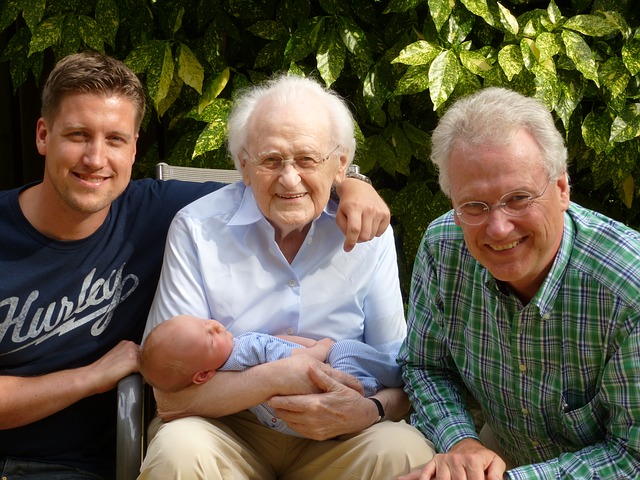
Lets start with the most common ones.
Here the manes for Parents, grandparents and children:
- Баща (bashtá) – father, usually called “tatko” or “tate”.
- Майка (máyka) – mother, addressed as “mamo” or “mayko”
- Син (sin) – son
- Дъщеря (dushteryá) – daughter
- Доведени деца (dovedeni detsa): Foster children
- Внук (vnuk) – grandson
- Внучка (vnúchka) – granddaughter
- Дядо (dyádo) – grandfather
- Баба (bába) – grandmother
- Прадядо (prádyado) – great-grandfather (and any male in his generation)
- Прабаба (prábaba) – great-grandmother (and any female in her generation)
.
Names for Brothers, sisters and cousins:
- Брат (brat) – brother
- Сестра (sestrá) – sister
- *Батко (bátko) – older brother, often said with affection and respect
- *Кака (káka) – older sister, often said with affection and respect
- Братовчед (bratovchéd)- cousin
- Братовчедка (bratovchédka) – cousin
Parents’ Siblings and Siblings’ Children
- Племенник (plémennik) – nephew
- Племенничка (plémennichka) – niece
The following are all words that correspond to the English “aunt” and “uncle” and it will depend if they are from the father or mother side which name they will have:
- Чичо (chícho) – broad term for “uncle”, more specifically a father’s brother. This is also the name given by children to any adult they don’t know, similar to “mister” or “sir”.
- *Стринка (strínka) – a father’s brother’s wife
- Леля (lélya) – broad term for “aunt”, more specifically a father’s sister. This is also the name given by children to any female adult they don’t know, similar to “madam”, but less formal.
- *Калеко / лелинчо (kaléko or lelíncho) – a father’s sister’s husband
- *Вуйчо (vúycho) – a mother’s brother
- *Вуйна (vúyna) – a mother’s brother’s wife
- *Тетка (tétka) – a mother’s sister
- *Тетинчо (tetíncho) – a mother’s sister’s husband
- *Свако (svako) – in Eastern Bulgaria, the husband of a mother’s or a father’s sister

By marriage:
- Съпруг (suprúg) – husband
- Съпруга (suprúga) – wife
- Зет (zet) – the husband of a daughter, son-in-law
- Снаха (snahá) – the wife of a son, daughter-in-law
The following are parents-in-law:
- *Тъст (tust) – the father of a wife
- *Тъща (túshta) – the mother of a wife
- *Свекър (svékur) – the father of a husband
- *Свекърва (svekúrva) – the mother of a husband
The following are what parents-in-law call each other:
- *Сват (svat) – the father of a child’s spouse
- *Сватя (svátya) – the mother of a child’s spouse
The following are all words that correspond to the English “brother-in-law” and “sister-in-law” and it will depend if they are from the father or mother side which name they will have:
- *Девер (déver) – a husband’s brother
- *Шурей (shúrey) – a wife’s brother
- *Зълва (zúlva) – a husband’s sister
- *Балдъза (baldúza) – a wife’s sister
- *Шуренайка (shurenáyka) – a wife’s brother’s wife
- *Баджанак (badzhanák) – a wife’s sister’s husband. Two men married to sisters are badzanaci to each other.
- *Етърва (etúrva) – a husband’s brother’s wife. Two women married to brothers are eturvi to each other.
All this titling and names, however, is about to disappear.
Bulgaria is increasingly following the model of a number of Western European countries and younger children are increasingly turning to their relatives by name.
And so one day the sounding names like svako, or shúrey may remain only part of the story.