
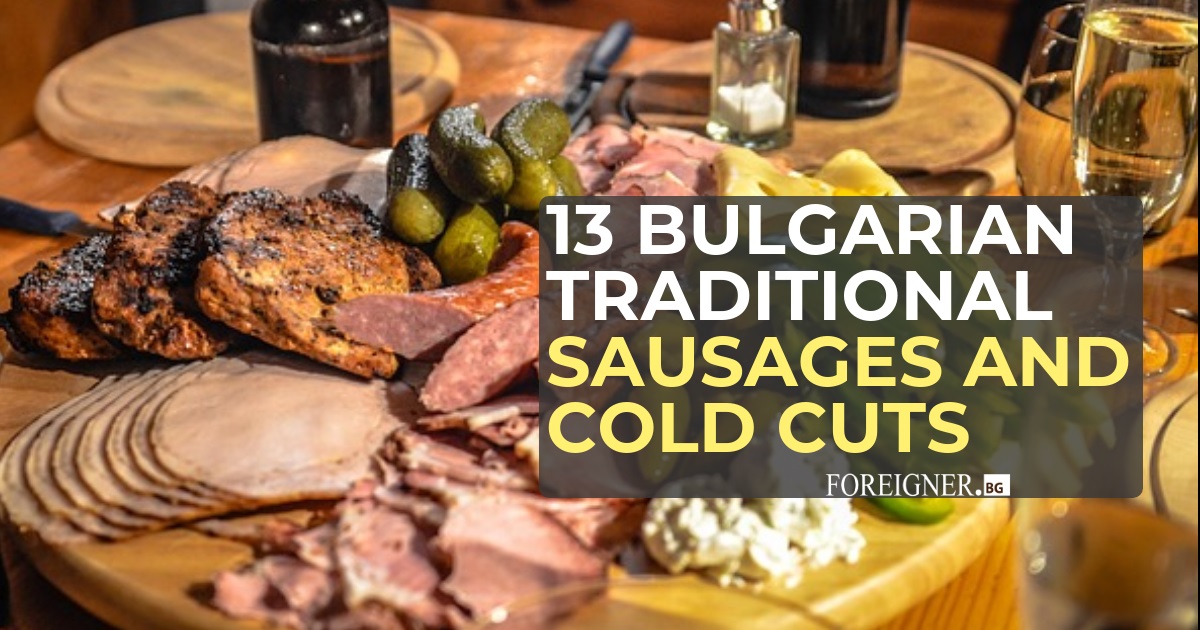
Since Bulgaria is in the crossroad between Europe and Asia, their cuisine has been influenced by different cultures and empires that have passed and stayed in this fertile lands for thousands of years, and all of them have left their mark in the culinary history of Bulgaria.
Bulgaria has a centuries-long culinary tradition, and a good part of it is because of the delicious sausages and cold cuts that are prepared here.
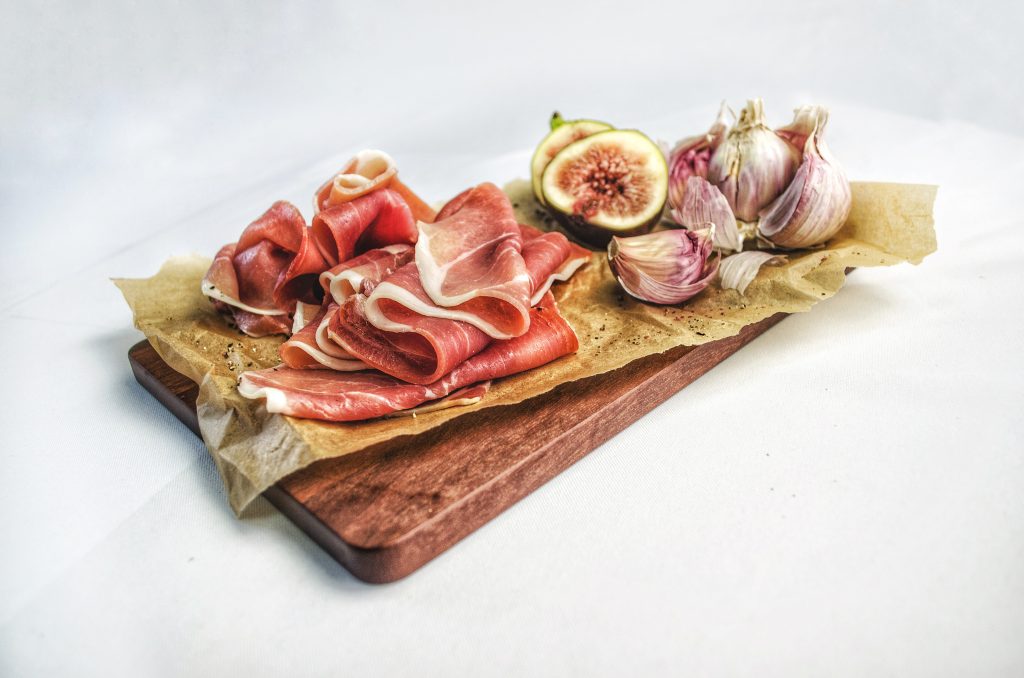
Charcuterie
is the branch of cooking devoted to prepared meat products, such, as bacon, ham, sausage, terrines, galantines, ballotines, pâtés, and confit, primarily from pork.
And today we have prepared a selection of the most interesting and emblematic sausages and cold cuts that are still very popular in Bulgaria.
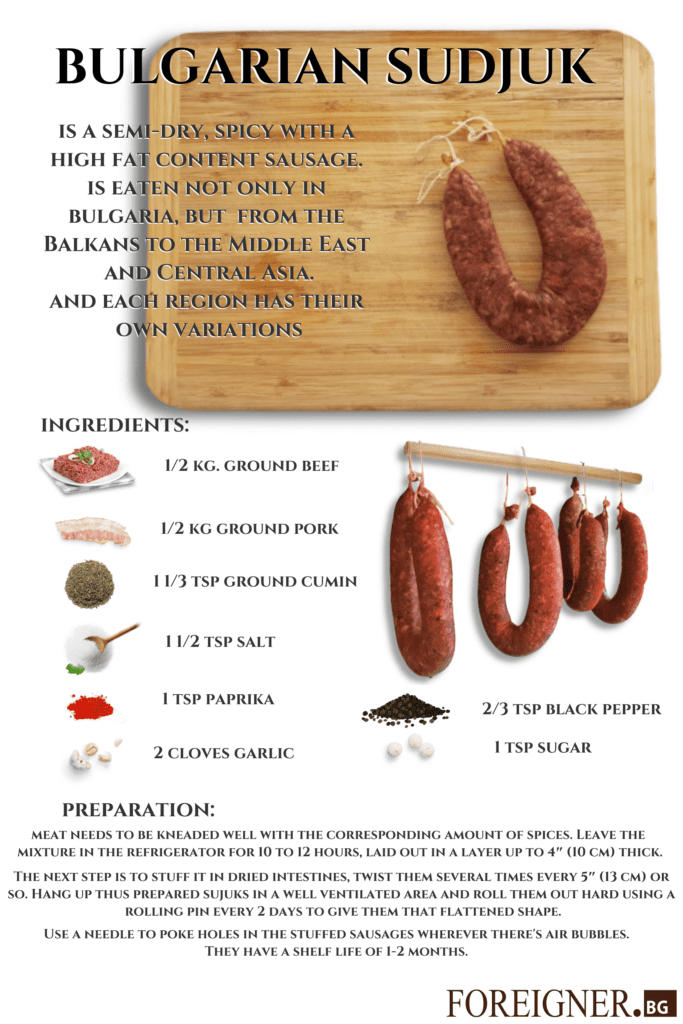
Bulgarian Kufteta Recipe

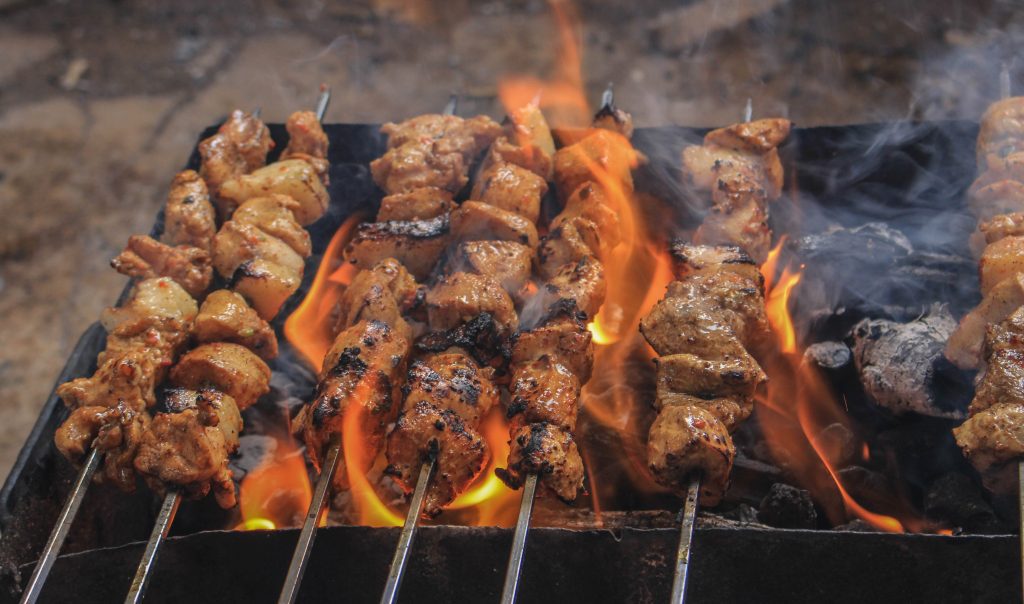
Kufteta is a traditional Bulgarian dish that is served all year round – similar in taste to a savory meatball or a homemade burger… perfect for those outdoor barbecues, particularly if served with a well-chilled beer!
Ingredients
- 2 1/4 lb. minced meat (60% pork, 40% beef)
- 1 onion
- 1/2 tsp. ground cumin
- 1/2 tsp. black pepper
- 4 tsp. salt
How to make it
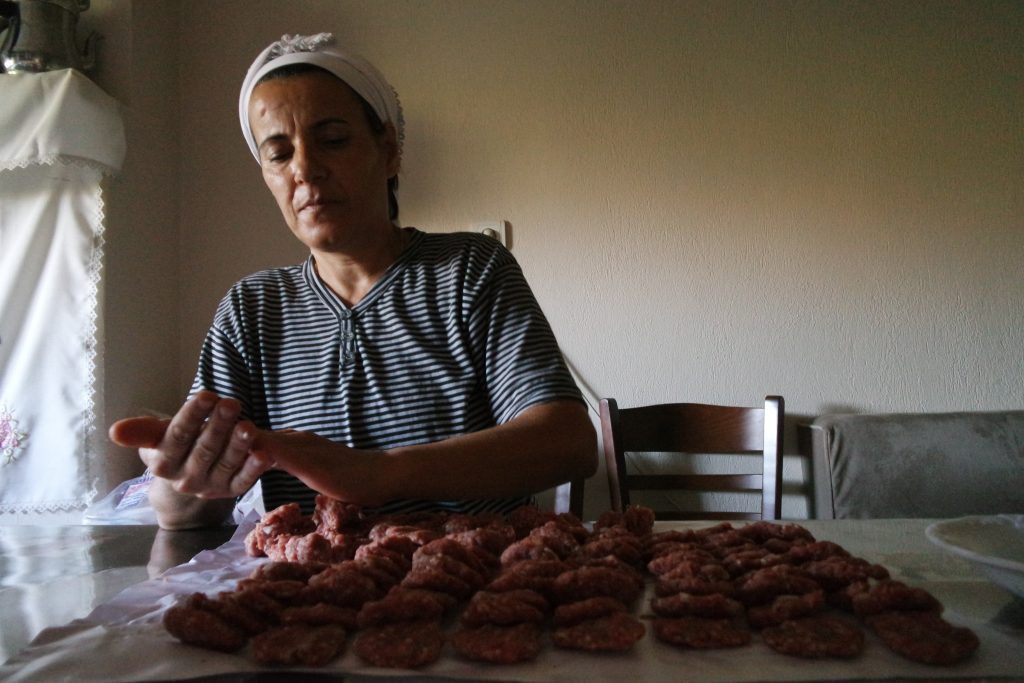
- Salt the minced meat and place it in the fridge for around 4 hours.
- Then, mix it with the black pepper and cumin.
- Thinly slice the onions and mix them into the mixture along with 2 or 3 teaspoons of water.
- Mix all the ingredients well and let rest again in the fridge for 2 hours.
- Form into meatball or burger shapes and either fry them or barbecue them.
- Serve with salad or vegetables of your choice.
Pork continues to be Bulgaria’s most widely produced and consumed red meat.
Pork accounted for the largest share of consumption, at 52 percent, followed by poultry at 42 percent, and beef at six percent
Since 2016, Bulgarian pork consumption has consistently increased.
According to official data, per capita, pork consumption in 2018 was at 10.5 kg compared to 9.4 kg in 2017 (12 percent more). Household purchases grew in 2018 to 23.0 kg/household, a nine-percent increase over the 21.1 kg/household in 2017.
Consumption increased by 4.5 percent to 221,000 MT, a record high. Strong demand drove import growth by 3.7 percent to 146,000 MT, another record. Imports accounted for 66 percent of consumption in 2018, versus 37 percent for domestic production.
Post expects that consumption will moderate in 2019 due to the ASF outbreak. Industry sources estimate consumption reductions at five-10 percent.
Eating high amounts of processed meats increases the risk of heart disease, cancer, and diabetes. This is related to many factors, but one culprit is sodium. Sodium is about 400 percent higher, on average, in processed meats than unprocessed meats.
Are could cuts unhealthy?
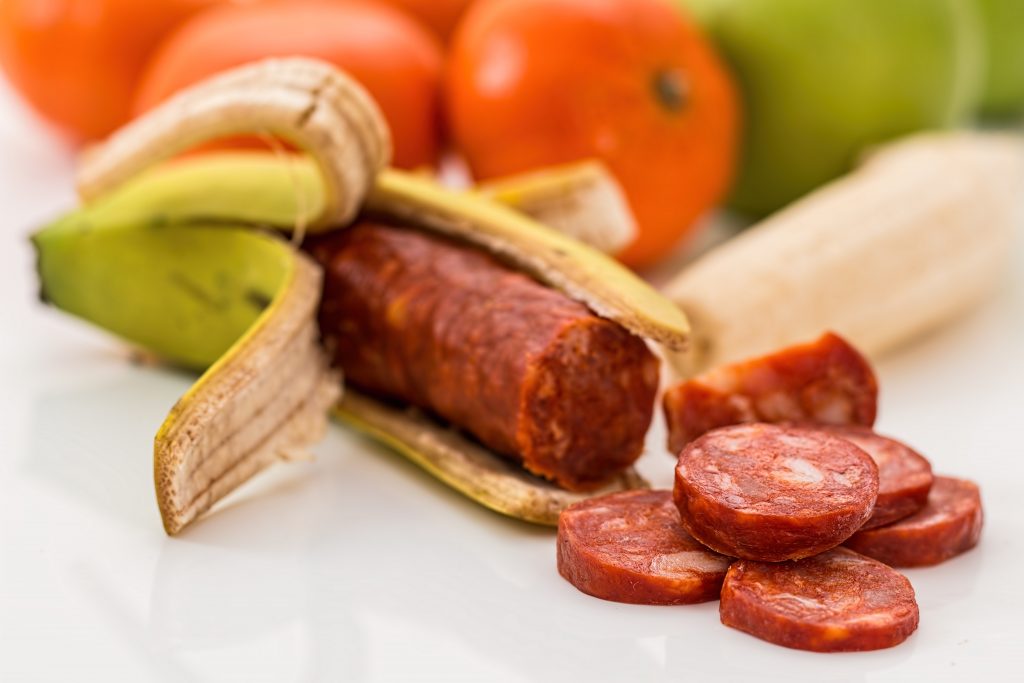
It’s better to think about your overall diet: Do you enjoy a few slices of lukanka on the weekends at brunch?
Then perhaps you could live without the daily slices of Slanina at lunch. Think about your diet as a whole. Are you consuming other foods high in sodium (e.g., bread, cheese, pizza)? How frequently? Make swaps accordingly to decrease your consumption of Sodium.